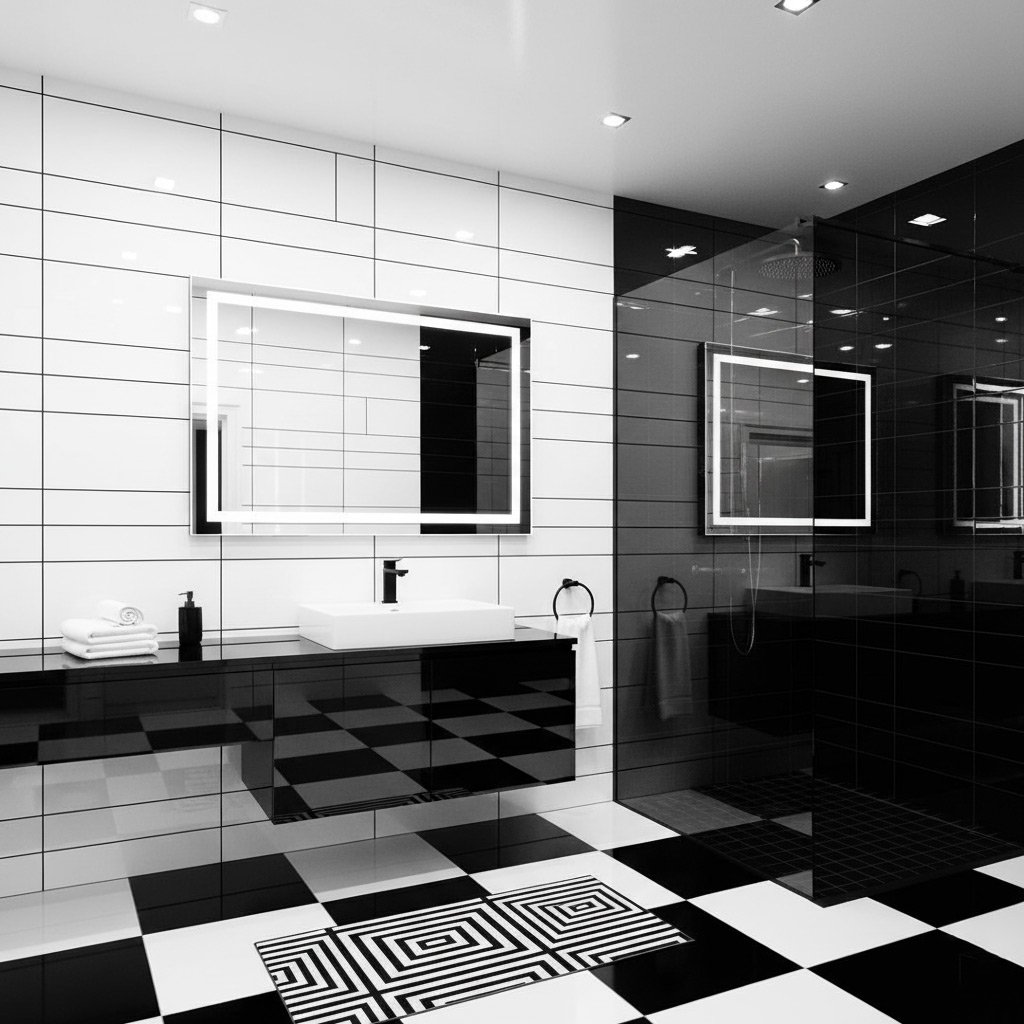
Picture this: you open the bathroom door and the space feels like a high‑end resort, yet the price tag looks like a smart home upgrade.
Glendale homeowners are swapping out cracked tile for sleek acrylic panels, and the reason is simple—acrylic handles the desert heat, the occasional spill, and the daily grind without cracking a sweat.
It’s lightweight, easy to clean, and comes in a lineup of colors and textures that make a bathroom look custom‑built without the custom price.
Ready to find out why the buzz is more than hype? Keep reading and you’ll discover the three game‑changing advantages that have Glendale residents raving about acrylic bath walls.
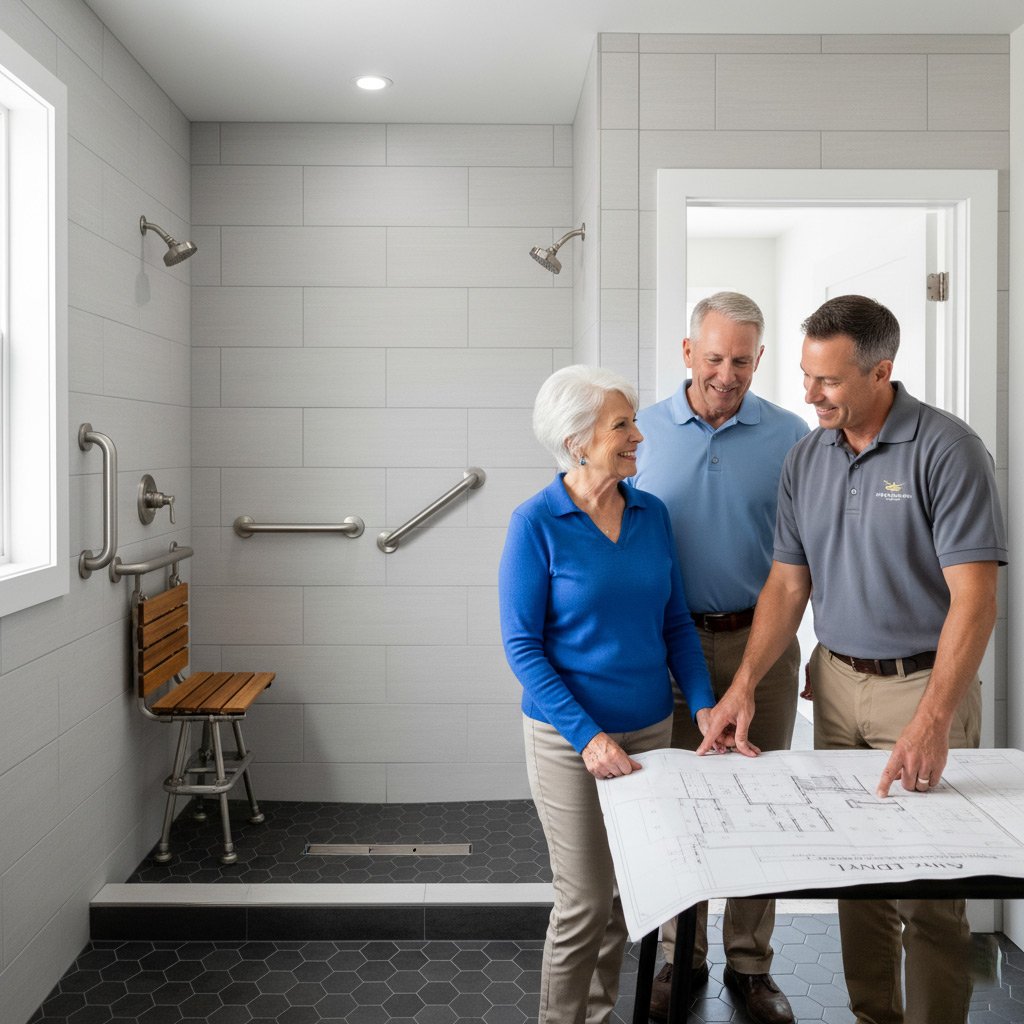
The Science Behind Acrylic: How It Withstands Glendale’s Desert Heat
Thermal Resilience Built In
Unlike ceramic tile, acrylic’s polymer matrix expands and contracts with temperature changes without cracking. That means a scorching 115°F day in Glendale won’t turn your walls into a mosaic of hairline fractures.
Engineers blend high‑impact acrylic resin with UV‑blocking additives, creating a surface that stays cool to the touch even after a hot shower. The result is a wall that *absorbs* heat rather than *reflects* it, keeping the bathroom comfortable.
Moisture Management
Acrylic is non‑porous, so water can’t seep into the material and cause swelling. When humidity spikes, the panels simply shed the moisture.
Because there’s no grout line to harbor mold, cleaning is a breeze and the wall stays pristine year after year.
- Thermal expansion coefficient matches typical framing, preventing stress.
- UV inhibitors stop yellowing under the Arizona sun.
- Non‑porous surface resists mold, mildew, and stains.
Design Flexibility: Colors, Textures, and Styles That Mimic Luxury
Palette that Pops
From crisp white that feels like fresh snow to deep slate that whispers sophistication, acrylic panels come in a spectrum that fits any vibe. Glendale homeowners love the ability to match a sunrise‑orange accent wall or keep it cool with a muted dove gray, and the color stays vibrant even after years of sun exposure.
Because the material is non‑porous, the hue won’t bleed or fade. Pick a shade now, and it’ll look just as fresh when the desert heat rolls in next summer.
- Classic whites and creams – timeless, bright, and easy to accessorize.
- Bold blues and greens – perfect for a spa‑like retreat.
- Earthy taupes and greys – blend seamlessly with natural stone.
Texture Tricks
Acrylic can imitate marble, slate, even reclaimed wood without the weight or upkeep. Feel the cool smoothness of a marble‑look panel, or run your hand over a subtle wood grain that never warps. The illusion is convincing enough that most guests won’t guess it’s not real stone.
These textures are molded during the manufacturing process, so there are no seams that collect grime. That means a sleek, uniform surface that stays pristine.
- Matte stone finish – low‑glare, perfect for bright bathrooms.
- Glossy marble effect – adds a touch of opulence.
- Wood‑grain veneer – brings warmth without the maintenance.
Style Hacks
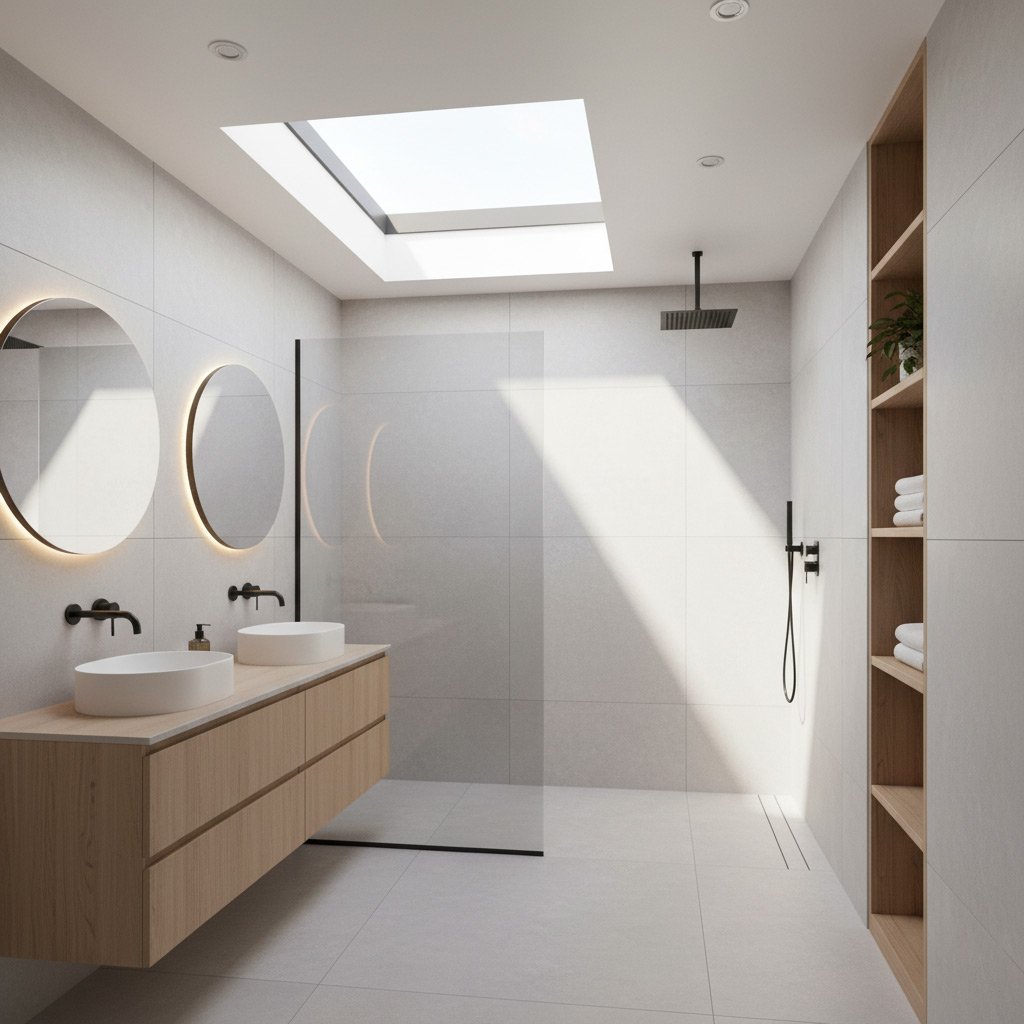
Whether you’re after a frameless, “floating” look or a built‑in niche for toiletries, acrylic panels adapt. Install them in a single sheet for a seamless wall, or break them into modular squares for a contemporary grid. The flexibility lets you play designer without hiring a high‑end architect.
Because the panels are lightweight, you can create bold shapes that would be impossible with tile. Think curved corners, recessed panels, or a full‑wall accent that turns the bathroom into a statement piece.
- Full‑wall coverage – creates a clean, uninterrupted backdrop.
- Accent panels – add visual interest behind the tub or vanity.
- Custom niches – integrate storage without breaking the flow.
Installation Made Simple: Steps, Timeline, and What Homeowners Should Expect
Step‑by‑Step Process
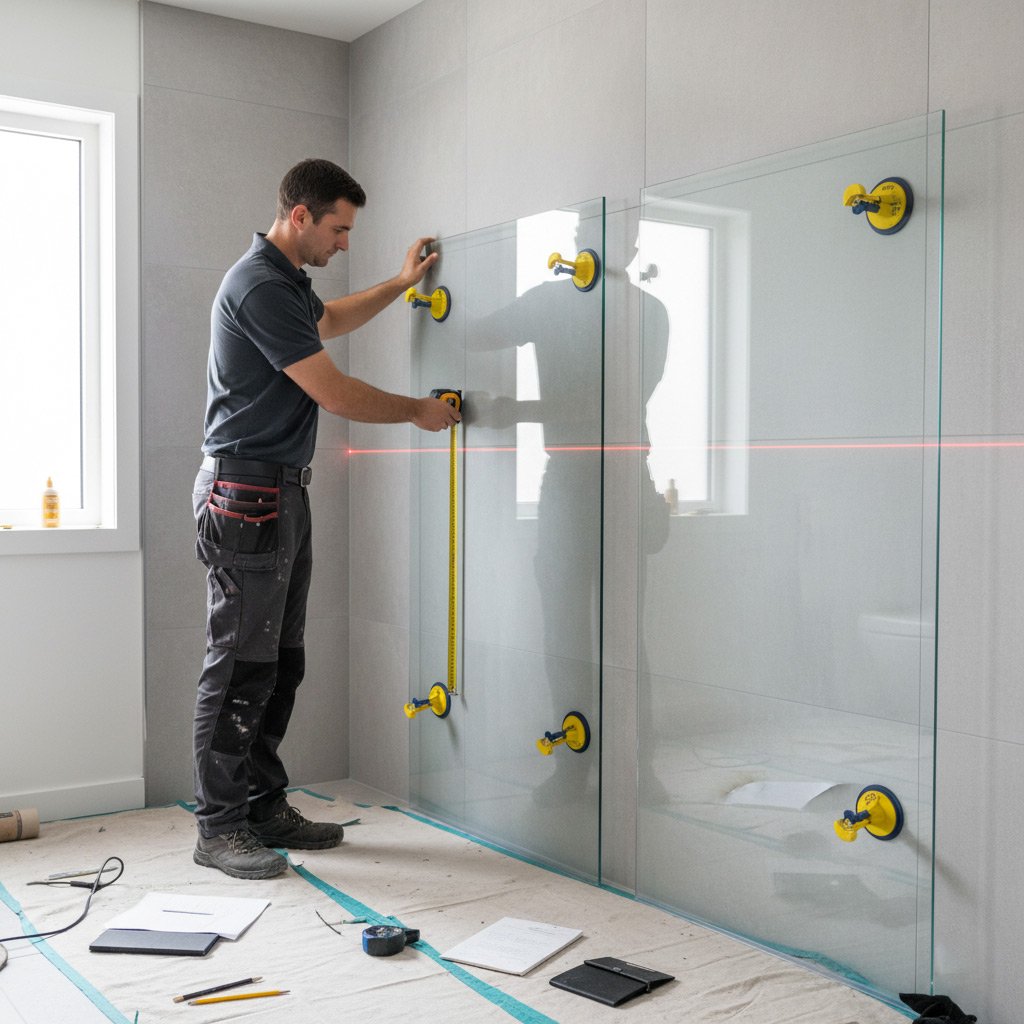
First, a pro measures every wall inch‑by‑inch. No guesswork—the exact dimensions dictate how the panels are cut.
Next, the old tile or wallboard is stripped away, leaving a clean, flat surface. A quick inspection follows to catch any hidden water damage.
Finally, the acrylic panels are slipped into place, sealed with a marine‑grade adhesive, and the seams are blended with a clear, waterproof caulk.
Typical Timeline
- Day 1: Demo and prep – 4‑6 hours.
- Day 2: Panel fitting and sealing – 5‑7 hours.
- Day 3: Curing time, final touch‑ups, and cleanup – 2‑3 hours.
Most Glendale homes finish the whole job in under 48 hours. That means you’re back to your routine before the weekend rolls around.
What to Expect on Day One
Expect a bit of dust and a few noisy tools. The crew will protect your fixtures and floor with drop cloths.
They’ll also walk you through the layout, confirming the panel pattern and any accent colors. Transparency keeps surprises at bay.
Cost Comparison: Acrylic vs. Tile, Fiberglass, and Other Wall Options
When you pull the numbers out of the hat, acrylic walls usually land in the sweet spot between “budget‑friendly” and “premium look.” You get a sleek finish without the hidden fees that pop up later.
Acrylic vs. Tile
Tile can feel like a status symbol, but the price tag tells a different story. Installation alone can add $5‑$8 per square foot, and you still need grout, backer board, and a skilled mason.
Acrylic panels run about $3‑$5 per square foot, and most contractors install them in a single day. That means lower labor costs and no surprise expenses.
Acrylic vs. Fiberglass
Fiberglass looks similar at first glance, yet it’s more fragile under Glendale’s heat swings. You’ll often see cracks after a few years, which means replacement costs.
Acrylic’s higher durability translates to a longer lifespan, so the upfront $1‑$2 extra per square foot pays off in fewer repairs down the road.
Other Wall Options
Stone veneer, PVC panels, and cultured marble each have a niche, but they come with trade‑offs. Stone feels heavy, PVC can warp, and cultured marble demands special sealants.
- Stone veneer: $7‑$12/sq ft, heavy, professional installation required.
- PVC panels: $2‑$4/sq ft, cheap, but may yellow in sun.
- Cultured marble: $6‑$9/sq ft, needs regular sealing.
Compared to those, acrylic offers a balanced mix of cost, durability, and style—exactly what Glendale homeowners are looking for.
Maintenance & Longevity: Cleaning Tips and How Acrylic Stays Pristine Over Time
Everyday Care
Grab a soft microfiber cloth, a splash of mild dish soap, and you’re set. Wipe down the panels after each shower to prevent soap scum from setting.
For tougher spots, try this quick mix:
- 1 cup warm water
- ½ teaspoon baking soda
- Few drops of gentle liquid detergent
Apply with a non‑abrasive sponge, rinse, and pat dry. No harsh chemicals, no scratches.
Why It Lasts
Acrylic’s core is a dense polymer that resists cracking under Glendale’s scorching sun. Heat‑stable and moisture‑proof, it holds its shine for years.
Key factors that keep it looking new:
- UV‑inhibitors baked into the material
- Non‑porous surface that won’t absorb stains
- Impact‑resistant layer that survives accidental bumps
Seasonal Boost
Twice a year, give the walls a deeper clean with a diluted vinegar solution (1:4 ratio). Rinse thoroughly to avoid any lingering scent.
Finish with a quick polish using a dry microfiber towel. The result? A mirror‑like finish that stays bright even after a decade of use.
Case Study: A Glendale Homeowner’s Full Bathroom Transformation with Acrylic Panels
The Starting Point
When Maria Sanchez bought her 1970s ranch in Glendale, the bathroom looked like a relic—cracked tile, water stains, and a constant battle with the desert heat.
She wanted a makeover that felt upscale but didn’t drain her savings, so she turned to acrylic wall panels after hearing neighbors rave about them.
Installation Journey
We mapped out a 5‑day schedule that fit Maria’s busy life. The crew stripped the old tile, pre‑pped the studs, and installed the acrylic sheets with a seamless, waterproof seal.
Key steps:
- Demo & prep: Remove tile, clean surface, apply moisture barrier.
- Panel placement: Cut to fit, snap together, seal seams with acrylic‑grade adhesive.
- Finishing touches: Install fixtures, caulk edges, and polish the surface.
The whole process wrapped up in just under a week, and Maria was back to her routine in less than ten days.
Result & Impact
The new acrylic walls turned the space into a bright, spa‑like retreat. The panels reflect light, making the room feel larger, and they stay cool even when the outside temperature hits 110°F.
Maria says, “I love how easy it is to wipe down a spill—no grout to scrub, no worries about cracks.” She also noticed a dip in her water bill because the cooler walls reduce steam condensation.
Final Words
Before you pull the trigger, make sure the contractor you pick knows the ins and outs of acrylic panel installation in a desert climate. A reputable Glendale remodeler will have a portfolio, proper licensing, and a clear warranty that covers heat‑related expansion.
Quick Vetting Checklist
- Ask for at least three recent glendale acrylic bathroom references.
- Confirm they use UV‑stable acrylic that won’t yellow under the sun.
- Get a written timeline that includes prep, panel placement, and final seal.
- Verify insurance coverage for accidental damage during installation.
If you’re ready to swap tile for a sleek, low‑maintenance wall, start by browsing the Acrylic Bath Walls gallery. Spot a style you love, then reach out for a free on‑site estimate. The right panel can turn a tired bathroom into a resort‑feel retreat without breaking the bank.
People Also Ask
How does acrylic resist the extreme heat of Glendale’s desert climate?
Acrylic’s molecular structure is engineered to remain stable under high temperatures, preventing warping or discoloration. It reflects heat rather than absorbing it, keeping bathroom surfaces cooler even on scorching days.
Can acrylic bath walls mimic the look of high‑end tile or natural stone?
Yes, modern acrylic panels come in a wide range of colors, textures, and finishes that replicate marble, slate, and other luxury materials. The seamless design also adds a sleek, contemporary feel without the grout lines.
What is the typical installation timeline for acrylic wall panels?
Professional installation usually takes 1–2 days, depending on bathroom size and any necessary plumbing adjustments. The process involves measuring, cutting, adhering, and sealing the panels for a watertight finish.
Is acrylic more cost‑effective than tile or fiberglass options?
Acrylic panels generally cost 20‑30% less than premium tile installations and require fewer labor hours. Compared to fiberglass, acrylic offers superior durability and a higher-end appearance at a comparable price.
How easy is it to maintain acrylic bath walls over the years?
Cleaning acrylic is simple—regular wiping with a non‑abrasive cleaner keeps it looking new. The non‑porous surface resists mold, mildew, and stains, ensuring long‑lasting pristine condition.

Glendale Bathroom Remodel specializes in comprehensive bathroom renovations, bringing over a decade of craftsmanship to homes across Glendale, Arizona. Their team combines local knowledge with industry‑leading techniques to deliver functional, stylish spaces that reflect each homeowner’s vision.
Need Bathroom Remodel?
Transform your bathroom in Glendale and surrounding AZ communities with precision craftsmanship and rapid project completion (85301, 85302, 85303, 85345, 85374). We deliver functional, modern spaces on schedule, minimizing disruption to your home.
Get Bathroom Quote