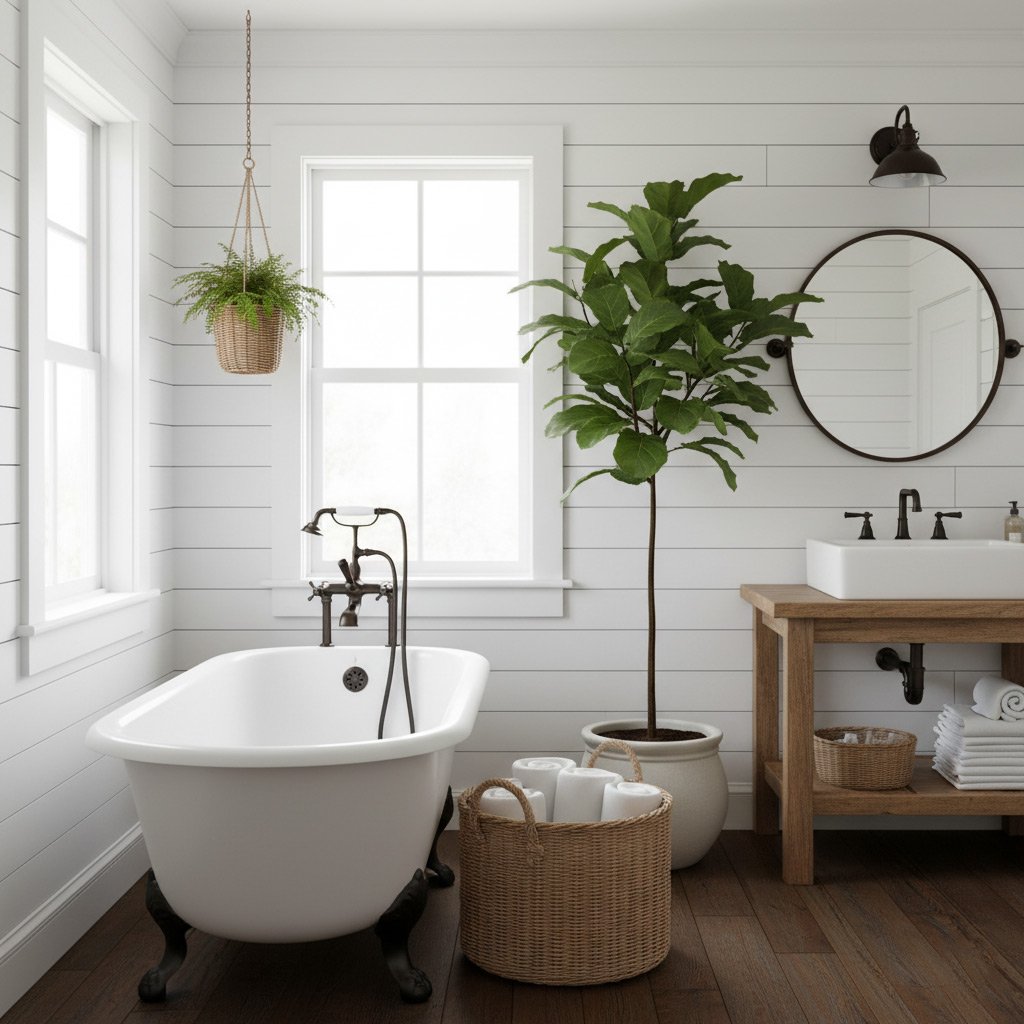
Picture this: you pull back the curtain and the tile behind you looks flawless, the water slides off like it’s been coated with glass, and you didn’t have to rip out the whole bathroom to get that look.
Glendale homeowners who keep their showers looking fresh have a simple trick up their sleeves—high‑performance shower liners that act like a secret armor. They pick the right material, install it the right way, and skip the common mistakes that turn a quick fix into a costly nightmare.
Ready to discover the exact steps the savvy locals follow and why those liners last longer than you’d think? Keep reading and you’ll see how a few smart choices can save you time, money, and a lot of hassle.
Understanding Shower Liner Materials: PVC, Acrylic, Fiberglass, and Beyond
Choosing the right liner isn’t a guessing game; it’s the first line of defense against water damage, mold, and costly repairs. In Glendale’s desert‑heat, the material you pick can mean the difference between a liner that lasts a decade and one that peels after a season.
PVC – The Workhorse
Polyvinyl chloride is the go‑to for budget‑savvy homeowners who still demand durability. It’s lightweight, easy to cut, and tolerates the temperature swings that Arizona throws at it.
- Pros: Water‑tight seal, resistant to chemicals, inexpensive.
- Cons: Can look cheap if not covered, may warp under extreme heat.
Acrylic – The Show‑Stopper
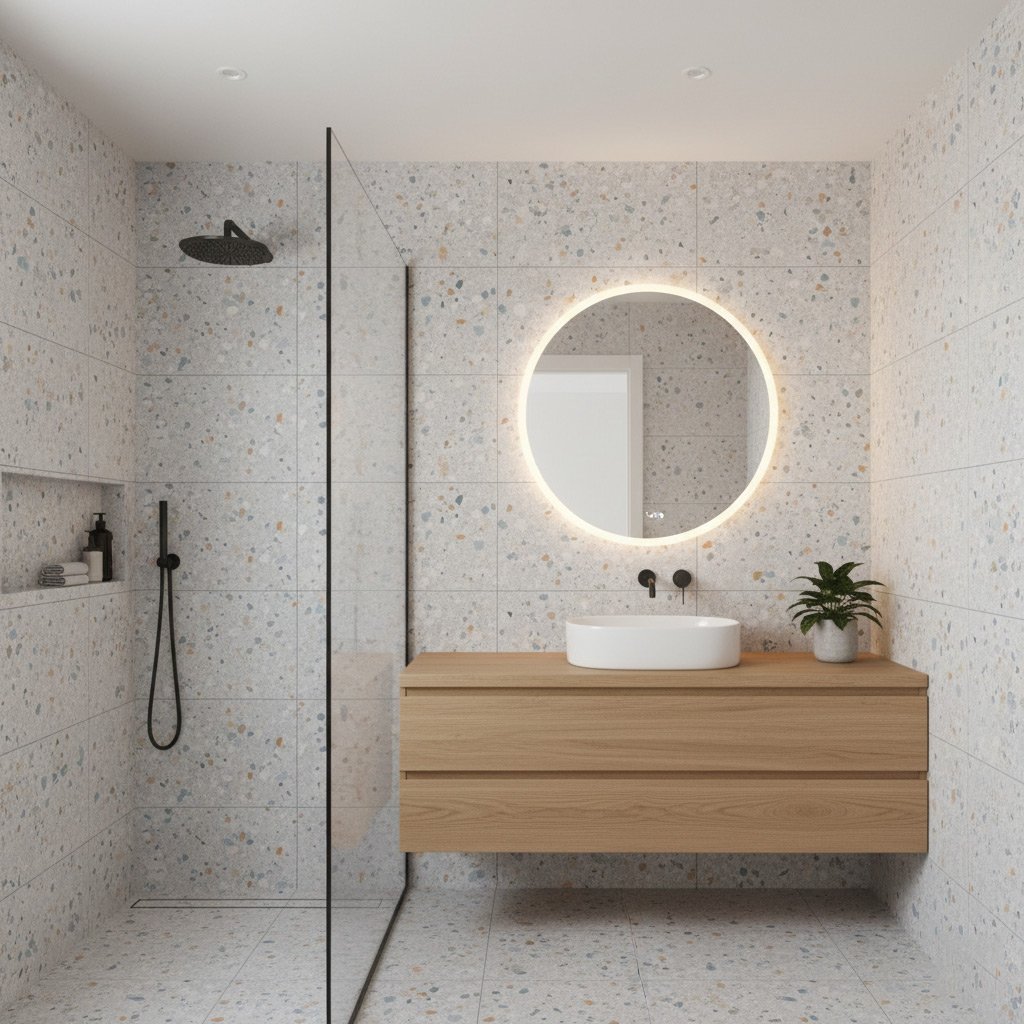
Acrylic liners bring a glossy, tile‑like finish that tricks the eye into thinking you’ve splurged on full tile work. They’re tougher than PVC and hold up well under the sun‑baked humidity of Glendale homes.
- Pros: Sleek appearance, UV‑stable, less prone to cracking.
- Cons: Higher price tag, requires careful handling during installation.
Fiberglass – The Quiet Contender
Fiberglass offers a middle ground: stronger than PVC, lighter than acrylic, and surprisingly forgiving when you need to bend around odd corners. It’s a favorite for remodels where the existing shower pan stays in place.
- Pros: Strong, resistant to impact, easy to sand for a perfect fit.
- Cons: Can be brittle if exposed to prolonged direct sunlight.
Beyond – Emerging Options
Some Glendale pros are experimenting with hybrid composites that blend PVC’s flexibility with acrylic’s shine. These newer formulas promise longer life spans and a more “custom” look without the price of full tile.
- Hybrid blends: Combine durability and aesthetics.
- Eco‑friendly liners: Made from recycled plastics, gaining traction among green‑conscious owners.
How Glendale’s Climate Influences Liner Selection and Longevity
Glendale basks in more than 300 days of sunshine a year, and that relentless sun can turn a cheap liner into a brittle mess. The desert heat makes PVC and acrylic expand in the summer, then contract when the night drops below 50°F. If you pick a material that can’t handle those swings, you’ll see warping, cracks, and leaks faster than you’d like.
What the desert throws at your liner
- Temperature spikes – 115°F on a July afternoon can soften low‑grade PVC, causing it to sag.
- Low humidity – dries out fiberglass seams, making them brittle over time.
- Intense UV exposure – breaks down acrylic’s surface coating unless it’s UV‑stabilized.
Smart locals choose liners that are engineered for these conditions. Look for a high‑density PVC with a 0.25‑inch thickness or an acrylic sheet that’s reinforced with a UV‑blocking layer. Those options stay flat, resist cracking, and keep water where it belongs.
Tips for climate‑smart selection
- Pick a liner with a thermal expansion rating that matches Glendale’s 70‑degree swing.
- Prefer a material that’s water‑resistant but also breathable, so moisture doesn’t get trapped behind the wall.
- Check the warranty – a 10‑year guarantee usually means the manufacturer knows the product can survive desert weather.
Step‑by‑Step Installation: Prep, Placement, Sealing, and Finishing Touches
Prep the Shower Cavity
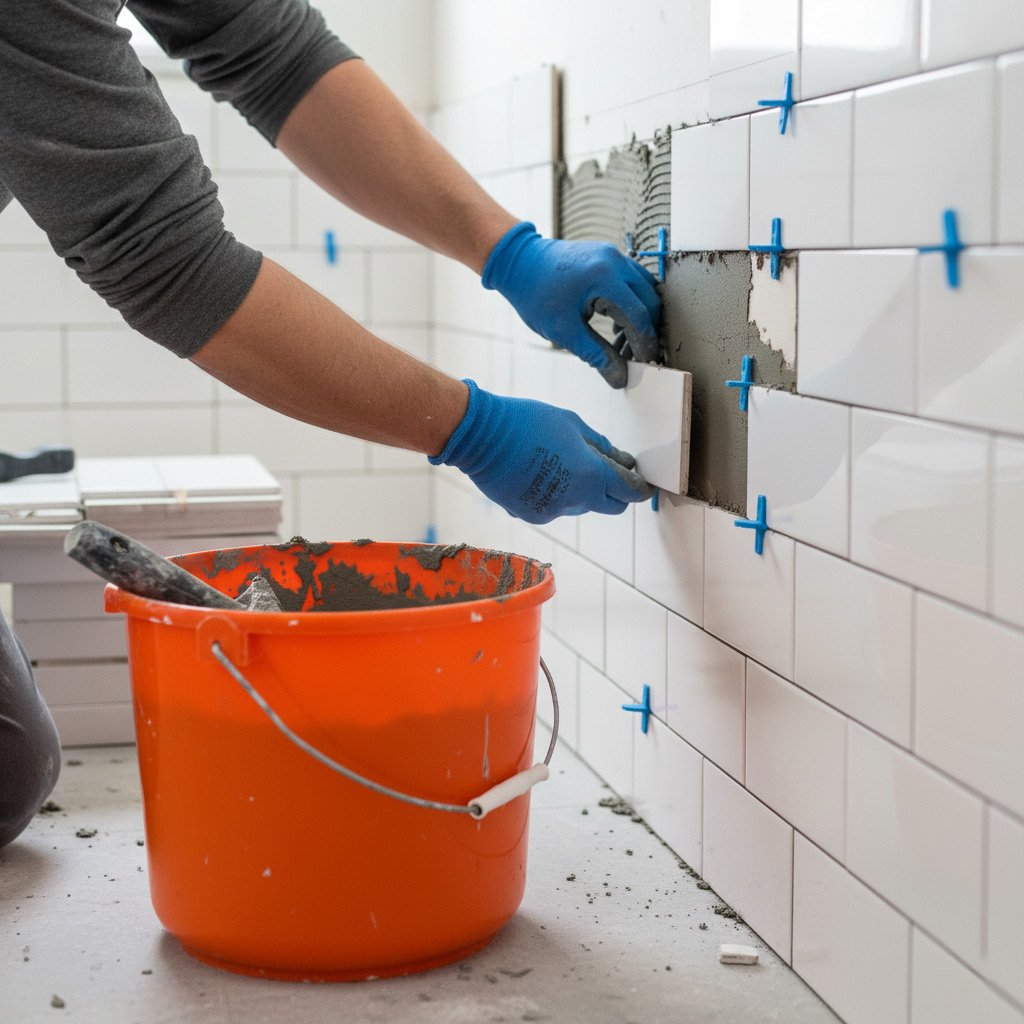
Start by pulling all fixtures, cleaning grout, and removing any loose debris. Dry the surface completely—even a drop of moisture can ruin the adhesive bond.
Next, inspect the walls for cracks; patch them with a cement‑based filler and let it cure for at least 24 hours. A smooth, level base is the secret sauce for a liner that won’t shift.
Place the Liner Correctly
Unroll the liner inside the shower, aligning the pre‑cut edges with the corners. Don’t force it—let the material settle naturally to avoid wrinkles.
- Mark the high‑point of the floor with a pencil; this is where the bottom edge will sit.
- Apply a thin, even bead of waterproof adhesive along the back wall, then press the liner into place.
- Use a rubber mallet to tap the edges gently, ensuring a tight fit.
Seal and Finish Like a Pro
Run a continuous line of silicone sealant where the liner meets the tub, corners, and any fixtures. Smooth it with a fingertip or a sealant tool for a clean bead.
Finally, reinstall the showerhead, faucet, and any shelving. Give the entire assembly a quick wipe with a damp cloth to remove excess sealant, and you’re ready to test the water.
Common Mistakes to Avoid: Gaps, Improper Sealing, and Wrong Thickness
Even a seasoned Glendale homeowner can slip up when a shower liner is involved. The cost of a tiny oversight shows up fast—water seeps in, mold spreads, and you’re back to the toolbox.
Leaving Gaps in the Fit
When the liner doesn’t hug the curb or the wall studs, you’ve created a highway for moisture. Measure twice, cut once and use a utility knife to trim the excess. A quick check with a flashlight will reveal any hidden spaces before the adhesive sets.
Improper Sealing Techniques
Skipping the primer or using the wrong caulk is a recipe for disaster. Choose a 100% silicone sealant that tolerates Glendale’s heat swings, and apply it in a continuous bead. Don’t rush the cure—let it sit at least 24 hours before the first shower.
Choosing the Wrong Thickness
A 1/8‑inch liner may look sleek, but it bends under the weight of a tiled floor and cracks. Opt for a 3‑mm or thicker profile when you have a high‑traffic family. The extra heft adds durability without sacrificing the sleek look.
- Check the manufacturer’s recommended thickness for your tile type.
- Test the liner’s flexibility by bending it gently; it should resist snapping.
- Confirm the liner’s warranty covers at least five years of normal use.
By catching these three slip‑ups early, you keep the water where it belongs—outside the wall—and protect your investment for years to come.
Maintenance Hacks: Cleaning, Repairs, and Extending the Life of Your Liner
Quick‑Clean Routine
Grab a non‑abrasive sponge, a splash of mild dish soap, and a spray bottle of white vinegar. Wipe in circular motions to lift soap scum without scratching the surface. Rinse with warm water and pat dry—no lingering moisture means fewer mold spores.
- Do this once a week to keep the liner looking brand new.
- For stubborn mineral deposits, let the vinegar sit for 5 minutes before scrubbing.
- A soft microfiber cloth finishes the job without lint.
Spot‑Fix Strategies
Small cracks or chips don’t have to become a full‑blown disaster. Seal them fast with a clear epoxy designed for shower liners; it bonds in minutes and dries hard.
- Clean the area with rubbing alcohol; any oil will ruin the bond.
- Apply a thin bead of epoxy, smooth with a disposable spatula, and let it cure 24 hours.
- Buff the repaired spot with a fine‑grit pad for a seamless look.
Longevity Boosters
Think ahead and you’ll stretch that liner’s life well beyond the average. Good ventilation is the secret weapon—run the exhaust fan for at least 15 minutes after each shower.
- Apply a silicone‑based sealant around the edges once a year to reinforce water‑tightness.
- Use a shower mat that drains quickly; it reduces wear on the liner’s floor.
- Inspect the liner quarterly; catching a tiny lift early saves a costly replacement later.
Case Study: Transforming a Glendale Family Home with a High‑Performance Liner
Background & Challenge
The Martinez family bought a 1998 ranch home in Glendale and hated the cracked, water‑stained tile in their master shower. They wanted a fresh look without the mess and cost of a full remodel.
Budget was tight, and the desert heat plus occasional monsoon rain meant any solution had to survive extreme temperature swings and humidity spikes.
The Solution
We installed a ¼‑inch acrylic liner with a reinforced silicone seal. The material resists warping, and the thickness prevents cracks from expanding.
Key steps we took:
- Prep: Cleaned all surfaces, removed old caulk, and let the area dry for 48 hours.
- Placement: Cut the liner to fit the shower niche, then slid it into place with a smooth, even pressure.
- Sealing: Applied a high‑temperature silicone bead along every joint, then smoothed it with a caulk‑smoothing tool.
Results & Takeaways
Within a week the Martinez shower looked brand new—no grout lines, no leaks, and a surface that slides water off like glass.
They reported:
- Zero water damage after the first monsoon season.
- Easy cleaning—just a spray of vinegar and a soft cloth.
- Saved over $4,500 compared to a full tile redo.
Bottom line: a high‑performance liner gave the family a durable, attractive shower without the headache of a total gut job. The secret? Choose the right material, follow a precise install plan, and seal every edge like your wallet depends on it.
Final Words: Maximizing Value and Durability with the Right Shower Liner
When you choose a liner that matches Glendale’s heat and occasional monsoon bursts, you’re not just buying a surface—you’re protecting a major investment. A well‑selected liner can add up to 15 % resale value because buyers see a leak‑free, low‑maintenance bathroom at a glance.
Smart Investment Tips
- Pick thickness wisely – ¼‑inch for standard use, ⅜‑inch if you entertain often.
- Seal every edge with a silicone that’s rated for high UV exposure.
- Schedule a quick visual check after the first heavy rain; catch gaps before they grow.
Maintenance is cheap when you stay ahead of the game. A monthly wipe‑down with a non‑abrasive cleaner keeps the liner glossy and prevents mineral buildup that can turn into stubborn stains.
Ready to see the full range of options? Browse our Shower Liners page and pick the armor that fits your style and climate. The right choice today means fewer repairs, lower bills, and a bathroom that still feels brand new years from now.
People Also Ask
What type of shower liner material lasts longest in Glendale’s desert climate?
A high‑density acrylic liner resists warping and UV damage better than PVC or fiberglass, making it the top choice for Glendale’s hot, dry conditions. Its moisture‑resistant core also helps prevent mold growth.How thick should a shower liner be for a typical Glendale bathroom?
Most experts recommend a liner that is at least 3 mm (¼ inch) thick to provide durability without adding excessive weight. Thicker liners (4–5 mm) are ideal for high‑traffic homes or families with children.Do I need a special sealant for shower liners in Glendale?
Yes, a silicone‑based sealant designed for high temperatures is essential to keep the liner watertight during summer heat spikes. Avoid acrylic caulks, as they can shrink and crack under extreme temperature changes.Can I install a shower liner myself, or should I hire a professional?
DIY installation is possible if you follow a meticulous prep and sealing process, but a professional ensures proper alignment and eliminates hidden gaps that can cause leaks. Hiring a local installer also guarantees compliance with Glendale building codes.What regular maintenance steps keep a shower liner looking new?
Clean the liner weekly with a non‑abrasive bathroom cleaner and rinse thoroughly to prevent soap scum buildup. Inspect the seams monthly and reapply silicone sealant where needed to maintain a watertight barrier.
Glendale Bathroom Remodel specializes in comprehensive bathroom renovations, bringing over a decade of craftsmanship to homes throughout Glendale, Arizona. Their team combines local knowledge with industry‑leading techniques to deliver functional, stylish spaces that reflect each homeowner’s vision.
Need Bathroom Remodel?
Transform your bathroom in Glendale and surrounding AZ communities with precision craftsmanship and rapid project completion (85301, 85302, 85303, 85345, 85374). We deliver functional, modern spaces on schedule, minimizing disruption to your home.
Get Bathroom Quote