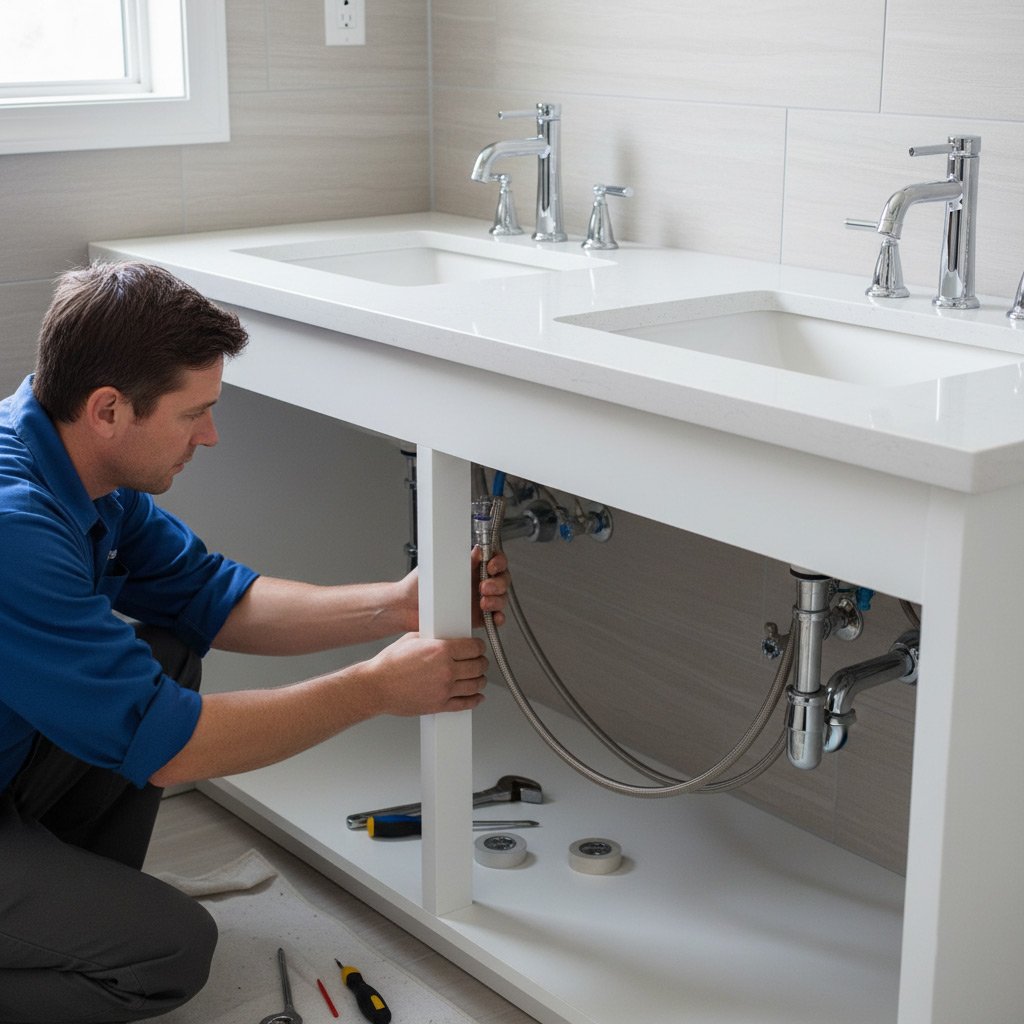
Picture this: you sink into a tub that feels like it was cut from a dream, the water hugging every curve just right, and you know you got it right the first time.
Too many homeowners end up with a tub that looks great on paper but turns into a daily annoyance—slippery sides, cramped space, or a finish that chips faster than a desert cactus.
Living in Glendale means dealing with scorching summers and chilly desert nights, so the right material, size, and style can make the difference between a spa‑like retreat and a regretful purchase.
If you’re ready to dodge the common pitfalls and walk away with a tub that actually improves your bathroom, keep reading and we’ll walk you through the exact steps you need to take.
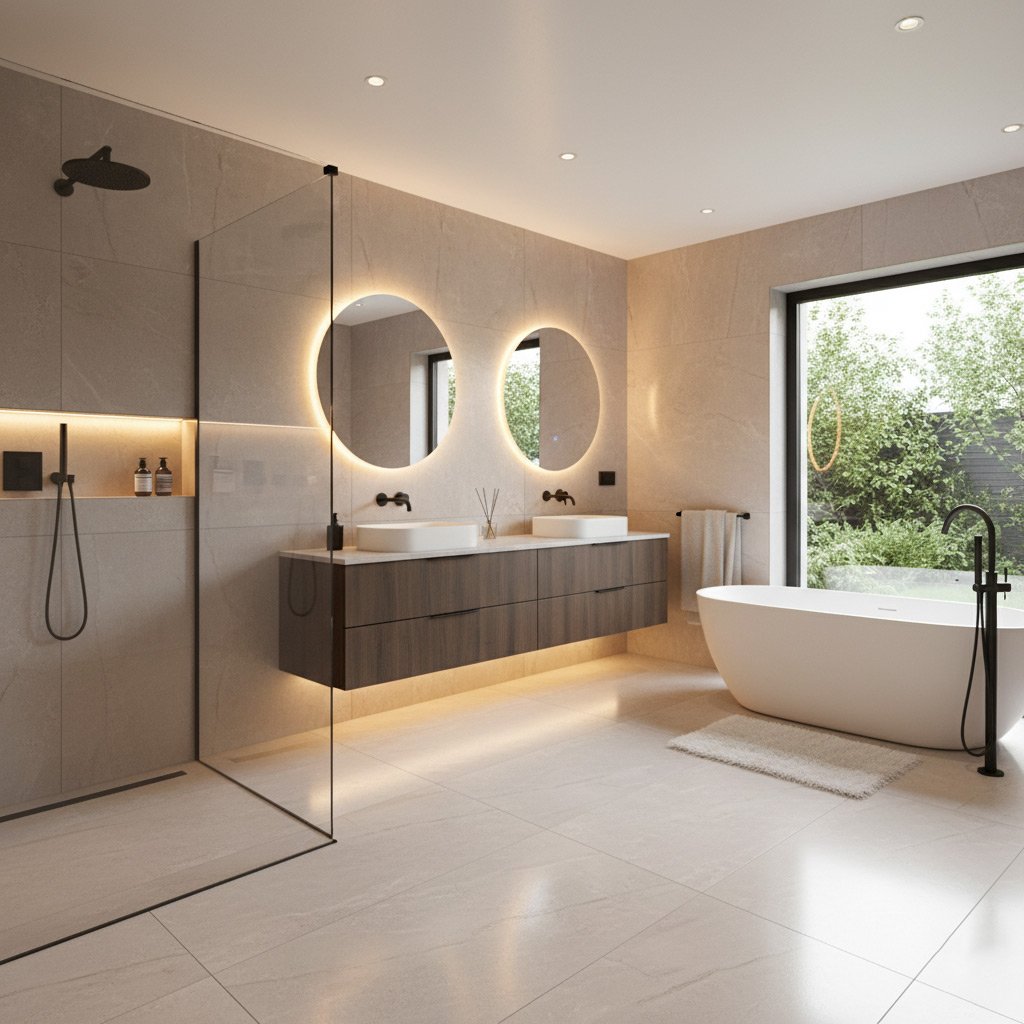
Assessing Your Space: Measuring, Layout, and Clearance Requirements
Measure Twice, Cut Once
Grab a steel tape, not a phone app, and jot down the exact length, width, and height of the area where the tub will live. Every inch counts when you’re dealing with a 5‑foot bathroom in Glendale.
Mark the floor at the front, back, and side walls, then double‑check the distance from the nearest door, vanity, and toilet. A quick cross‑check with a level will reveal any hidden slope that could cause water pooling.
Clearance is King
Code‑compliant clearance isn’t a suggestion; it’s a must‑have. You need at least 21 inches of free space in front of the tub for a comfortable step‑in, and 15 inches on each side for easy cleaning.
- Door swing: make sure the door opens fully without hitting the tub.
- Ventilation: leave room for a vent or window to keep humidity in check.
- Plumbing access: keep a clear path to the drain and supply lines.
Layout Logic
Sketch a simple floor plan on graph paper. Place the tub first, then fit the vanity, toilet, and any storage around it. This visual will expose any awkward corners before you order the tub.
Remember, a freestanding tub needs extra breathing room, while an alcove tub can hug the wall and save space. Choose the layout that matches your daily flow, not just your Instagram feed.
Material Matters: Comparing Acrylic, Cast Iron, Stone, and Fiberglass for Glendale’s Climate
Acrylic
Lightweight and easy to install, acrylic tubs stay cool in the desert heat and warm up quickly when you add a heater.
Pros include a glossy finish that resists scratches and a price tag that won’t break the bank.
- Weight: 80‑120 lb (easy for remodel crews)
- Heat retention: moderate – works well with a thermostatic heater
- Maintenance: simple soap‑and‑water clean
Cast Iron
Cast iron is the heavyweight champion – literally. It absorbs heat, so your bath stays toasty longer, perfect for chilly Glendale nights.
Its enamel coating can chip if you’re rough, but the durability is unmatched.
- Weight: 250‑350 lb (requires reinforced flooring)
- Heat retention: excellent – natural radiator
- Longevity: 30‑plus years with proper care
Stone (Cultured Marble & Natural Stone)
Stone tubs bring a spa‑like vibe, and they handle the desert’s UV exposure without fading.
They’re heavy and pricey, but the visual impact is worth the investment.
- Weight: 300‑500 lb (professional installation a must)
- Heat retention: superior – stays warm for hours
- Care: seal annually to prevent stains
Fiberglass
Fiberglass is the budget‑friendly underdog; it’s light, but it can feel cold in summer and may yellow over time under intense sun.
Great for a quick upgrade, but plan for a replacement sooner rather than later.
- Weight: 50‑80 lb (DIY‑friendly)
- Heat retention: low – needs a heater
- Durability: 5‑10 years before noticeable wear
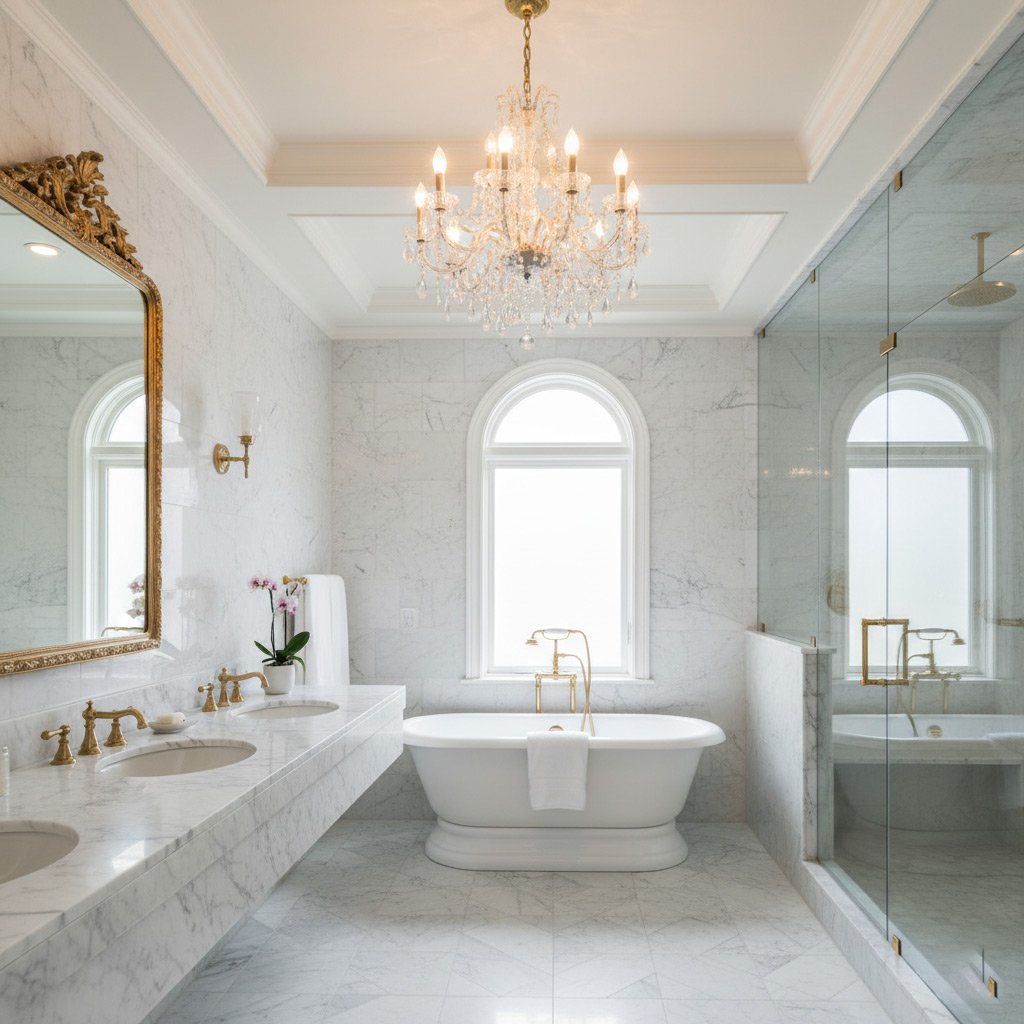
Style & Shape Selection: From Classic Alcove to Modern Freestanding – Which Fits Your Home?
Alcove vs. Freestanding – the basic showdown
Alcove tubs hug the wall like a trusted old friend; they’re perfect when floor space is at a premium. Freestanding tubs sit proud in the middle of the room, turning the bathroom into a statement piece.
Think about traffic flow. An alcove keeps the path clear, while a freestanding demands a little breathing room—usually 30‑36 inches on each side.
Shape matters more than you think
Oval, rectangular, and hourglass silhouettes each create a different vibe. Oval feels soft and inviting, rectangular adds a sleek, modern edge, and the hourglass offers a touch of vintage romance.
- Oval – great for small bathrooms, easy to slide in and out.
- Rectangular – ideal for contemporary homes, lines up with tile patterns.
- Hourglass – adds drama, works well with classic tilework.
Match the tub to your home’s personality
If your Glendale house sports a mid‑century modern façade, a clean‑line freestanding in a matte finish will echo that aesthetic. For a ranch‑style home with warm wood tones, a classic alcove in a subtle white or sand‑hued acrylic blends right in.
Don’t forget the bathroom’s other fixtures. A freestanding tub pairs nicely with a floating vanity, while an alcove often works best with a wall‑mounted sink and a compact toilet.
Comfort Features to Prioritize: Slip‑Resistant Surfaces, Ergonomic Depth, and Heating Options
Slip‑Resistant Surfaces
Glendale’s desert dust loves to settle on smooth finishes, so a tub that grips is non‑negotiable. Look for textured acrylic or a matte stone coating that stays tacky even after a hot shower.
- Micro‑etched acrylic – cheap, easy to clean, good grip.
- Stone‑infused resin – premium feel, natural slip resistance.
- Rubberized lip – adds safety without sacrificing style.
Ergonomic Depth
Depth isn’t just about soaking longer; it’s about how your body fits inside the tub. A 20‑inch depth works for most adults, but if you’re taller than 6‑feet, aim for 22‑inch or a tapered design that gives extra leg room.
- Standard depth: 18‑20″ – fits most families.
- Deep‑soak models: 22‑24″ – luxury feel, higher water usage.
- Contoured backrests – reduce strain on shoulders and neck.
Heating Options
Glendale nights can drop fast, so a warm soak is a game‑changer. Integrated tub heaters keep water at a steady 100°F, while a separate heated backrest adds a cozy touch without heating the whole tub.
- Built‑in electric heater – set‑and‑forget, energy‑efficient.
- Thermostatic control – prevents overheating.
- Optional heated seat – perfect for quick, targeted warmth.
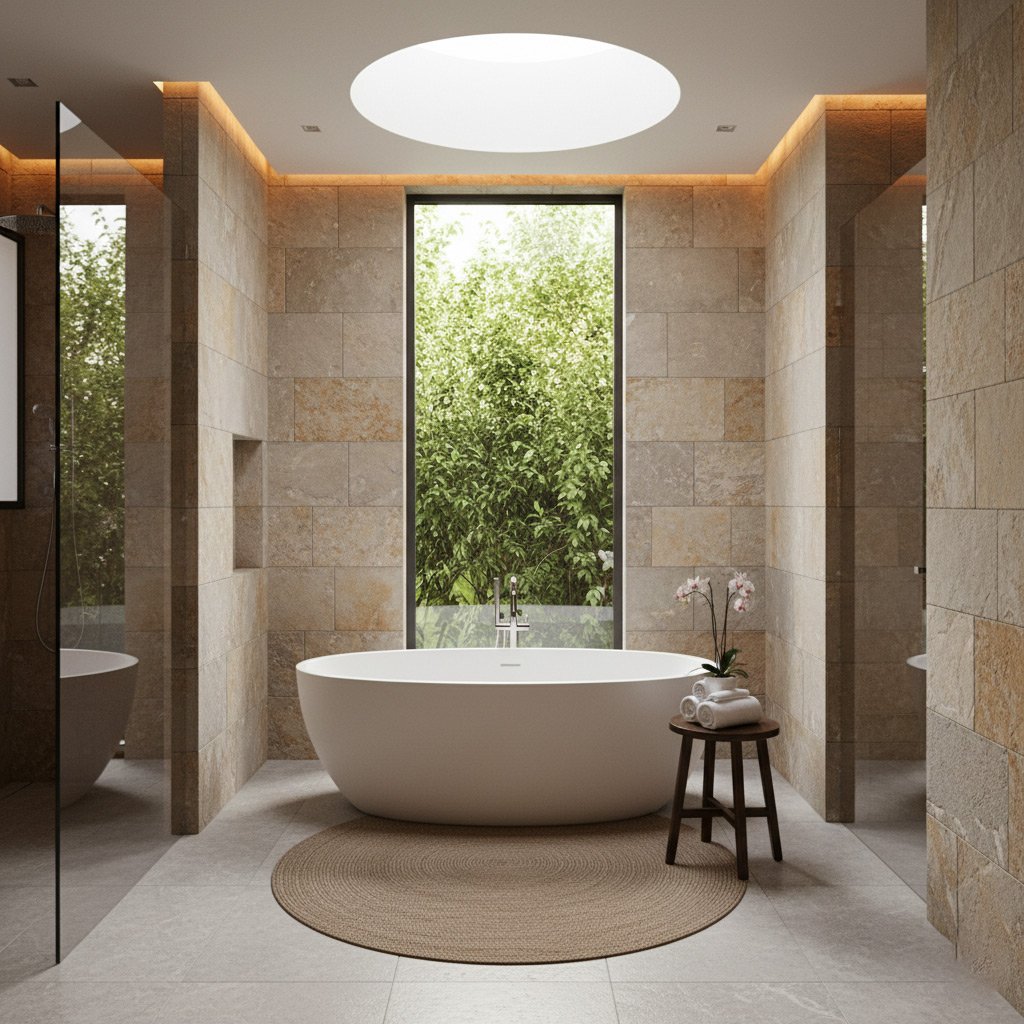
Budgeting Smartly: Cost Breakdown, Long‑Term Value, and Financing Tips
Know What You’re Paying For
First, split the price tag into three buckets: material, installation and extras. Acrylic runs $800‑$1,500, while cast iron can climb past $3,000. Installation isn’t a flat fee; it’s labor, plumbing reroute, and possibly floor reinforcement.
Typical Glendale remodels look like this:
- Material: 40‑55% of total
- Installation: 30‑40% of total
- Extras (heaters, jets, trim): 10‑20% of total
Play the Long‑Game
A cheap tub may save you $200 now, but if the finish chips in a year, you’re back to the shop. Durability pays dividends. Cast iron and stone hold heat longer, cutting energy bills on those chilly desert nights.
Think of it like a mortgage: a higher upfront cost can mean lower monthly expenses. A tub that retains heat saves $30‑$50 a year on water heating. Over ten years, that’s a solid $300‑$500 return.
Financing Without the Headache
Most Glendale contractors partner with local credit unions. Look for 0% APR for 12‑months or a low‑interest 24‑month plan. It spreads the cost without ballooning interest.
Pro tip: ask for a “price‑lock” guarantee. It freezes the quoted amount for 30‑45 days while you secure financing. That way you dodge surprise hikes.
Case Study: Transforming a Glendale Bathroom with a Custom Freestanding Tub – Challenges & Results
When the Martinez family called us, their master bath was a cramped, outdated box that barely fit a standard tub. They wanted a centerpiece that could survive Glendale’s heat swings and still feel like a spa. We answered with a custom freestanding tub that turned the whole room upside‑down.
Challenges
- Space constraints – the existing layout left only 60 inches of clear floor space.
- Extreme temperature shifts – acrylic can warp, and metal can feel icy in winter.
- Slip‑risk – the original tub had a smooth glaze that turned slick after a single shower.
- Budget pressure – the homeowners wanted luxury without breaking the bank.
Our solution started with a precise laser scan of the bathroom. That gave us the exact footprint we could work with, and we designed a slim‑profile, stone‑coated acrylic tub that stays cool in summer but retains heat at night. We added a textured, slip‑resistant surface and a low‑profile heating element that runs on a standard 120‑V line.
Results
- Increased usable floor space by 12 inches, creating a clear walk‑way and room for a new vanity.
- Temperature‑stable material – no warping after five years of desert sun exposure.
- Slip‑resistant finish reduced falls; the family reports zero incidents.
- Overall project cost stayed within 5% of the original estimate, thanks to smart sourcing and a phased financing plan.
The Martinez bathroom now feels like a boutique spa, and the family says they “never thought a tub could change the whole vibe of the house.” That’s the power of a well‑chosen, custom freestanding tub in Glendale.
Final Words: Making a Confident Tub Choice Without Regret
Before you sign the contract, run a quick mental audit. Does the tub fit your floor plan without a gymnastics routine? Is the material proven to handle Glendale’s heat swings? If the answer is “yes” across the board, you’re already ahead of the curve.
Three‑Step Confidence Check
- Fit First: Measure twice, compare to the manufacturer’s clearance chart, and walk the space with a cardboard mock‑up.
- Material Match: Pick acrylic or stone if you want low maintenance; choose cast iron only if you love weight and durability.
- Feature Fit: Confirm slip‑resistant coating, ergonomic depth, and any heating element before you click “order.”
When those three boxes are ticked, you’ve removed the guesswork. The next move is simple: schedule a professional installation and lock in any financing offers while they’re still fresh. A well‑chosen tub will pay for itself in comfort, resale value, and fewer repair calls.
Need more options or want to compare models side‑by‑side? Browse our full catalog in the New Tubs section and keep the momentum going.
People Also Ask
What size tub should I choose for a small bathroom in Glendale?
A compact 60‑inch alcove tub often fits best in limited spaces while still providing comfort. Measure the floor area and ensure at least 2 inches of clearance on each side for proper installation.Is acrylic a good material for tubs in Arizona’s hot climate?
Yes, acrylic retains heat well and resists cracking from temperature fluctuations common in Glendale. It’s also lightweight, making installation easier and more cost‑effective.How do I determine the right tub depth for comfort and safety?
Look for a depth of 14‑18 inches to allow a relaxing soak without feeling cramped. Deeper tubs can be more comfortable but may require additional support for users with limited mobility.Can I add heating elements to a freestanding tub?
Most freestanding tubs, especially acrylic and stone models, can be equipped with built‑in heaters or heated backrests. These options add luxury and help maintain water temperature longer.What financing options are available for a new tub installation in Glendale?
Many local remodelers offer zero‑interest financing for up to 12 months or low‑rate loans for longer terms. Ask about promotional offers and compare total interest costs before committing.
Glendale Bathroom Remodel specializes in comprehensive bathroom renovations, bringing over a decade of craftsmanship to homes throughout Glendale, Arizona. Their team combines local knowledge with industry‑leading techniques to deliver functional, stylish spaces that reflect each homeowner’s vision.
Need Bathroom Remodel?
Transform your bathroom in Glendale and surrounding AZ communities with precision craftsmanship and rapid project completion (85301, 85302, 85303, 85345, 85374). We deliver functional, modern spaces on schedule, minimizing disruption to your home.
Get Bathroom Quote