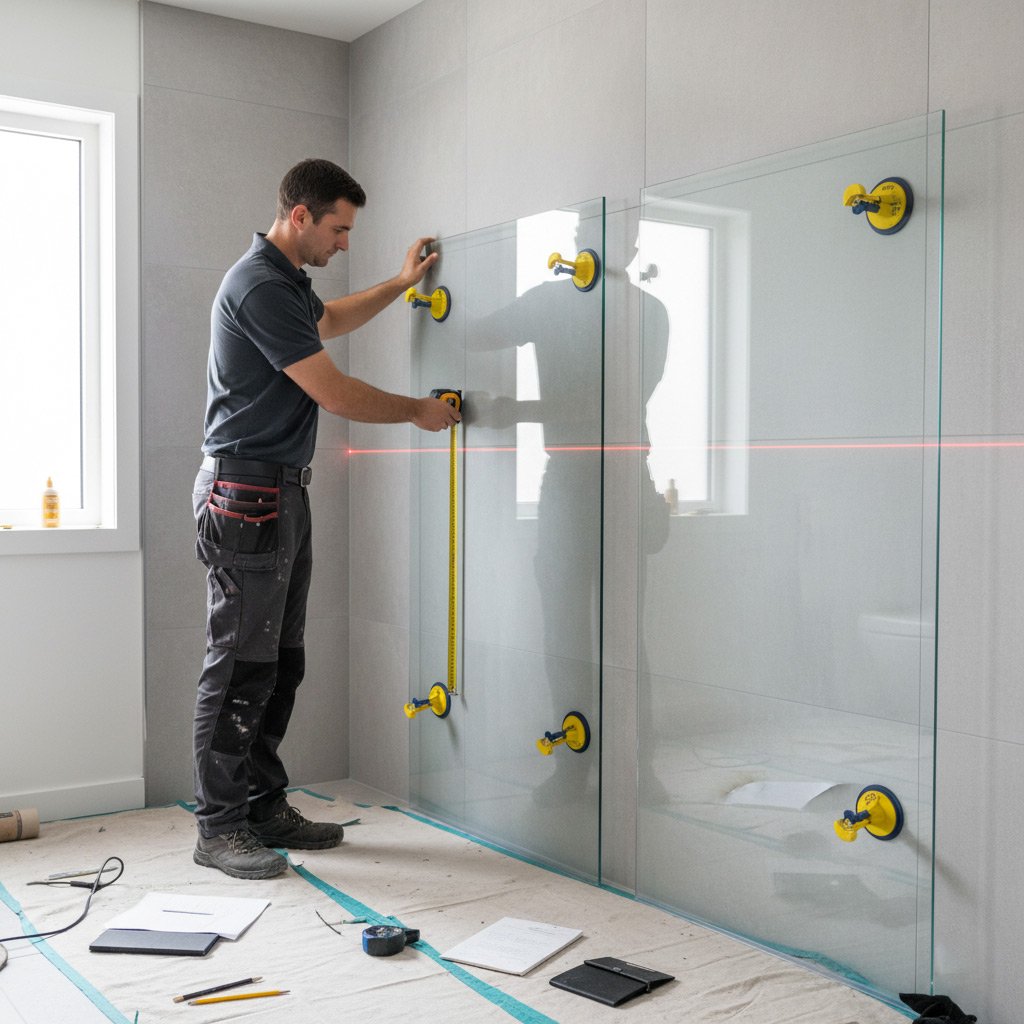
Picture this: you walk into your bathroom, flip the switch, and the tub looks brand‑new—no grout, no cracks, no endless days of demolition. That’s the promise of a bathtub liner, and in Glendale it’s become the shortcut many homeowners swear by.
But a quick fix can turn into a costly mistake if you don’t know the hidden details. From the type of material that actually lasts to the installation quirks that can ruin a flawless finish, there’s more than meets the eye.
We’ll pull back the curtain on the real pros and cons, the hidden fees that pop up after the first payment, and the red flags that separate a reputable installer from a fly‑by‑night operation.
Ready to separate hype from fact and make a decision you won’t regret? Keep reading and get the truth before you sign anything.
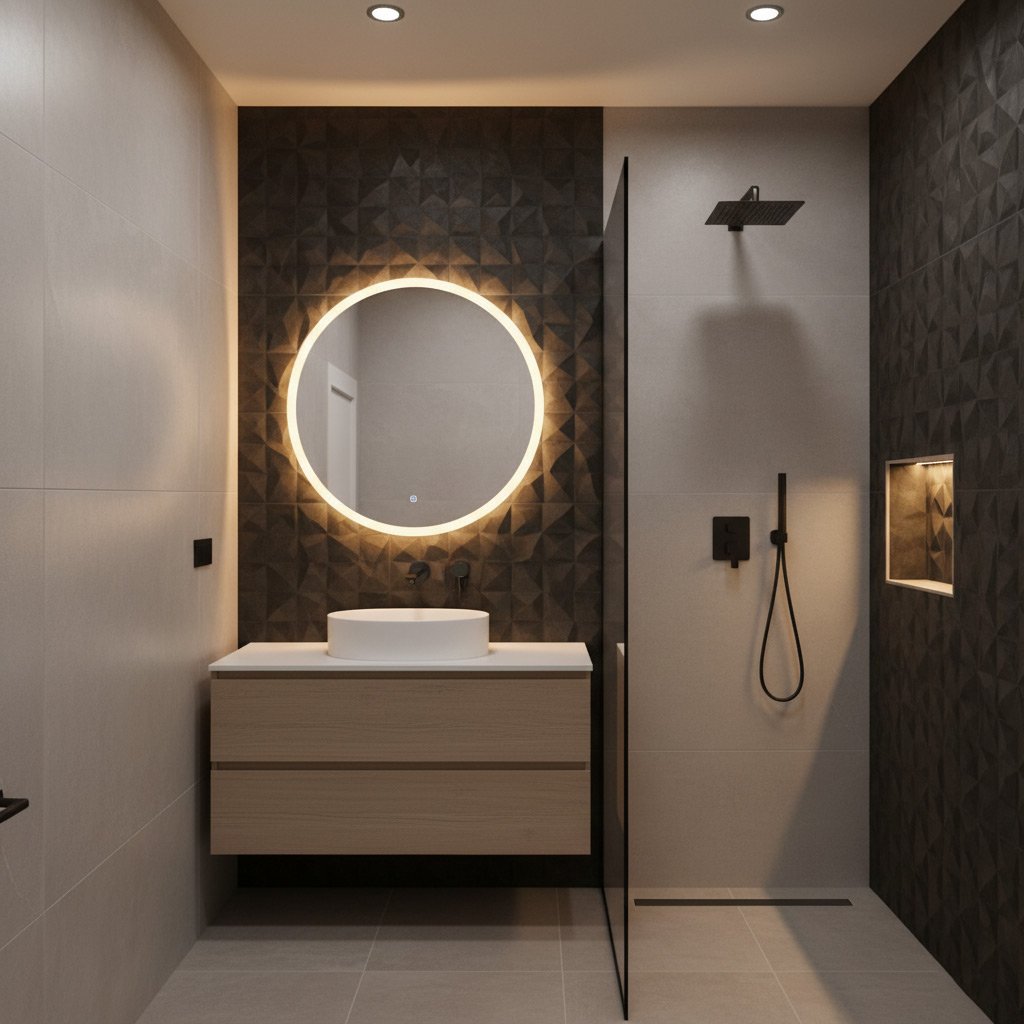
Understanding Bathtub Liner Materials: Acrylic, PVC, and Gel‑Coat Options
Acrylic Liners
Acrylic is the most common choice because it mimics the look of a brand‑new tub without the weight of porcelain. It’s lightweight, easy to shape, and can be sanded for a smooth finish. What you get is a glossy surface that resists stains and can be repaired with a simple polish.
- Pros: Quick installation, good color variety, decent durability.
- Cons: Can yellow over time if exposed to harsh chemicals, may feel less “solid” under heavy use.
PVC Liners
PVC is the budget‑friendly underdog. It’s a flexible plastic that slides over the old tub and hardens with a special adhesive. While it won’t win any beauty contests, it holds up surprisingly well against cracks.
- Pros: Lowest upfront cost, resistant to impact, easy to replace.
- Cons: Limited color options, surface can feel slightly rubbery, may not last as long as acrylic or gel‑coat.
Gel‑Coat Liners
Gel‑coat is the premium player, often used by high‑end remodelers. It’s a resin‑based finish that cures into a hard, glass‑like shell. The result is a surface that feels like marble and can survive the daily grind of a busy family bathroom.
- Pros: Superior durability, high‑gloss finish, excellent resistance to scratches and chemicals.
- Cons: Higher price tag, installation requires skilled hands, repairs are more involved.
The Installation Process: Step‑by‑Step Overview and Common Pitfalls
Getting a bathtub liner installed isn’t magic; it’s a sequence of moves that, if done right, leaves you with a flawless surface. Skip a step, and you’ll see bubbles, cracks, or a finish that peels after a few washes. Below is the play‑by‑play most Glendale pros follow.
Step‑by‑Step Overview
- Prep the existing tub: Clean, sand, and repair any cracks. The liner needs a smooth, dry canvas.
- Measure twice, cut once: Precise dimensions are taken, then the liner is CNC‑cut to match every curve.
- Apply adhesive: A high‑bond polymer is spread evenly; too much or too little spells trouble.
- Fit and trim: The liner is lowered, pressed, and excess material is trimmed with a utility knife.
- Cure and seal: Let the adhesive set (usually 24‑48 hours), then caulk edges for a watertight seal.
Common Pitfalls to Dodge
- Rushing the cure time: Skipping the waiting period leads to a weak bond that separates under weight.
- Ignoring old tub damage: Hidden rot or severe cracks will reappear, causing the liner to flex and crack.
- Using the wrong adhesive: Some installers grab cheap, low‑grade glue that can’t handle Glendale’s temperature swings.
- Improper ventilation: Without good airflow, fumes linger and the adhesive never reaches full strength.
Cost Breakdown: Upfront Prices, Hidden Fees, and Long‑Term Value
Upfront Prices
When you ask for a quote, most Glendale installers will hand you a number between $1,200 and $2,500 for a standard acrylic liner. Premium gel‑coat options can push that to $3,500 or more, especially if you want a custom color match.
Typical line‑item costs look like this:
- Material (acrylic, PVC, or gel‑coat): $600‑$1,200
- Labor (2‑3 days): $500‑$900
- Prep work (cleaning, minor repairs): $150‑$300
Hidden Fees
Don’t let the low‑ball estimate blind you. Some contractors slip in extra charges once they see the tub’s condition.
- Removal of old caulk or grout: $100‑$250
- Repairing cracks or water damage before lining: $200‑$600
- Travel surcharge for remote Glendale neighborhoods: $50‑$150
Ask for a written breakdown before signing. Anything not listed is a red flag.
Long‑Term Value
A well‑installed liner can last 10‑15 years, saving you the cost of a full remodel. Compare that to a $10,000+ replacement tub and you see the ROI.
Consider these factors when weighing value:
- Warranty length (5‑year vs. lifetime)
- Maintenance needs (simple cleaning vs. periodic resealing)
- Energy savings if the liner improves insulation
Durability & Maintenance: Lifespan Expectations and Care Tips
How long will it really last?
Most acrylic liners hold up 10‑15 years when they’re installed right. Gel‑coat can push that to 20 years, but only if the surface stays intact. PVC is the budget option; expect 7‑10 years before you start seeing yellowing or cracks.
Key factors that shave years off the clock:
- Heavy impact – dropping a bathtub mat or a heavy tub filler can chip the surface.
- Harsh chemicals – bleach, ammonia, or abrasive cleaners eat away at the finish.
- Improper prep – if the old tub wasn’t cleaned thoroughly, moisture can seep behind the liner and cause delamination.
Everyday upkeep that actually works
Keep it simple: a soft cloth, mild dish soap, and warm water are all you need. Skip the steel wool – it’s a one‑way ticket to scratches.
For stubborn stains, try a 50/50 mix of white vinegar and water. Let it sit a minute, then wipe clean. This neutralizes mineral buildup without attacking the coating.
Schedule a quick inspection once a year. Look for:
- Edge lifting – a sign the adhesive is failing.
- Discoloration – could mean a chemical reaction.
- Water pooling – indicates a seal breach.
Spotting these early saves you from a full‑replace nightmare later.
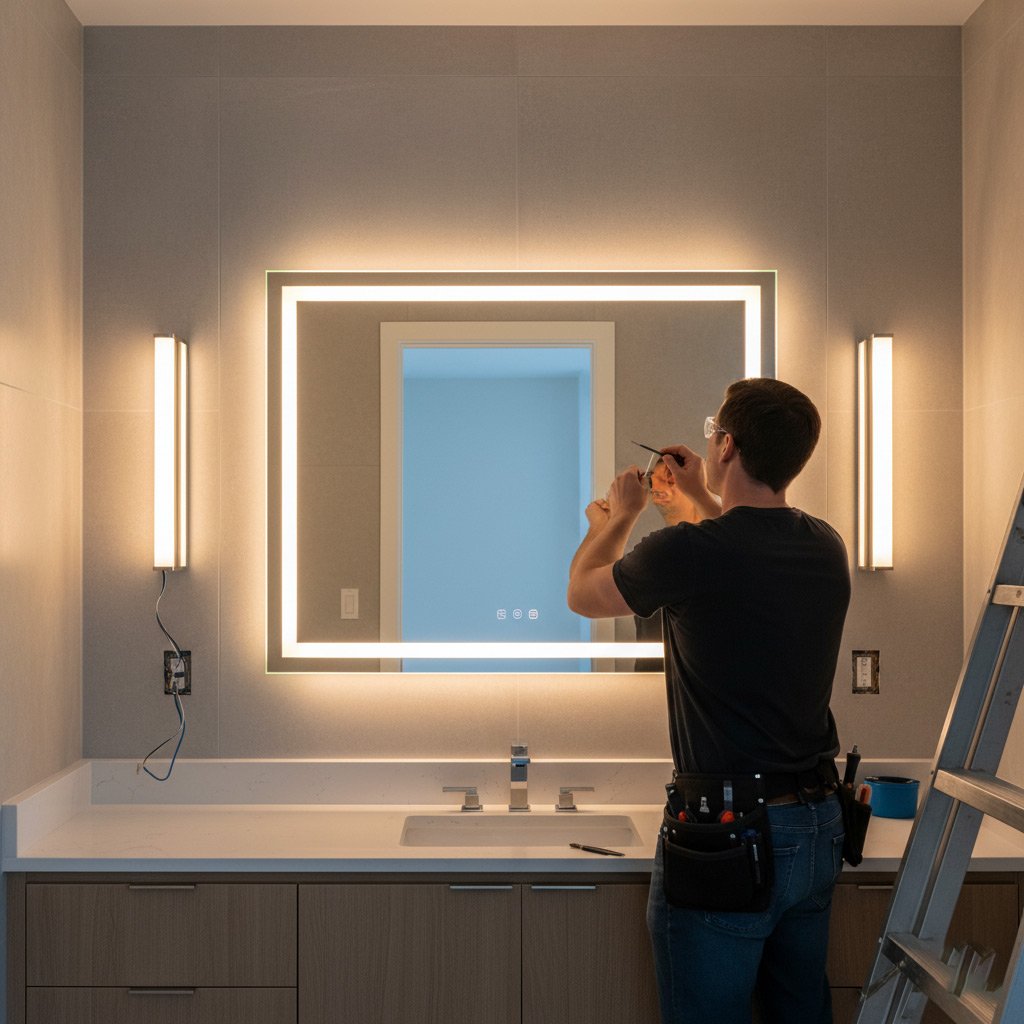
Selecting a Reputable Glendale Installer: Credentials, Reviews, and Red Flags
What to look for on paper
First, ask for a copy of the contractor’s Arizona state license and proof of insurance. A legitimate installer will have both readily available and won’t make you chase them down.
Next, verify that they specialize in bathtub liners—not just general remodels. Look for certifications from manufacturers like American Bath Solutions or DurableCo, which indicate they’ve completed the specific training required.
- Valid state contractor license (C-41 or equivalent)
- Current general liability and workers’ comp coverage
- Manufacturer‑approved installer status
Reading the reviews without getting fooled
Online ratings are a good starting point, but dig deeper. A string of five‑star reviews that all sound the same? That’s a red flag.
Check for detailed feedback about timeliness, cleanup, and how the installer handled unexpected issues. Real homeowners will mention specifics like “finished ahead of schedule” or “fixed a leak that appeared after the first week.”
- Mixed reviews with concrete examples are a healthy sign
- Complaints about hidden fees or unfinished work should raise eyebrows
- Look for responses from the company—how they address criticism matters
Red flags that scream “stay away”
Beware of contractors who demand full payment before any work begins. A modest deposit is normal; anything beyond 30 % is suspect.
Also, watch out for vague estimates that don’t break down labor, materials, and disposal costs. Transparency is a trust builder.
- No written contract or detailed quote
- Pressure to sign on the spot
- Unwillingness to provide references from recent Glendale projects
Case Study: A Glendale Homeowner’s 30‑Year‑Old Tub Transformation
Before the Liner
Mike, a Glendale retiree, was stuck with a 30‑year‑old cast‑iron tub that leaked at the seams and sported a crust of old grout. He tried a DIY epoxy patch once—ended up with a sticky mess and a $500 bill for removal.
After a quick consultation, we recommended a **gel‑coat acrylic liner** because it mimics the look of porcelain without the weight. The goal: a flawless finish that could survive Arizona’s temperature swings.
The Installation Day
Our crew arrived at 8 a.m., pre‑checked the plumbing, and sealed any cracks with a flexible epoxy. The old tub was left in place; the liner was slid over like a custom‑fit glove.
Key steps that saved Mike money:
- Precision measuring – no guesswork, no extra material.
- Professional curing—four hours of undisturbed drying before the bathroom was re‑occupied.
- Final sealant applied only where the liner meets the wall, preventing future water seepage.
After the Reveal
Mike’s new tub looked brand‑new, glossy, and was ready for a fresh coat of paint. He paid $3,200 total—no surprise fees, and the liner came with a 10‑year warranty.
Maintenance tip he loves: a quick wipe with a non‑abrasive cleaner keeps the surface shining for years. Mike says the upgrade feels like a brand‑new bathroom without the demolition nightmare.
Final Words
Before you sign that contract, pause and ask yourself: Do I truly understand the material, the cost, and the installer’s track record? A bathtub liner can be a game‑changer, but only if you’ve cut through the hype and locked in the facts.
Quick Decision Checklist
- Material match – acrylic, PVC, or gel‑coat?
- Installer credentials – license, insurance, local reviews.
- Transparent pricing – upfront fee, prep work, warranty.
- Maintenance plan – cleaning routine, repair policy.
When you’ve ticked every box, you’ll walk into your bathroom with confidence, not doubt. If you need a trusted partner in Glendale, explore our full range of Bathtub Liners options and let the experts handle the heavy lifting.
People Also Ask
What are the main differences between acrylic, PVC, and gel‑coat bathtub liners?
Acrylic liners are lightweight, easy to install, and offer a glossy finish, while PVC liners are the most budget‑friendly but can feel less luxurious. Gel‑coat liners provide a high‑gloss, seamless surface that mimics porcelain but are typically more expensive and require professional installation.How long does a bathtub liner installation usually take?
A standard bathtub liner installation takes about 4–6 hours from removal of the old tub to final curing. Complex layouts or extensive repairs can extend the timeline to a full day.Are there hidden costs I should watch out for when getting a bathtub liner?
Yes, additional fees may include removal of the existing tub, necessary plumbing adjustments, and any required surface repairs before installation. Some contractors also charge for disposal of old materials and a warranty upgrade.How durable are bathtub liners and what maintenance do they require?
Quality liners typically last 10–15 years with proper care, resisting cracks, stains, and mildew. Regular cleaning with non‑abrasive cleaners and avoiding harsh chemicals will extend their lifespan.What should I look for when choosing a bathtub liner installer in Glendale?
Verify the installer’s licensing, insurance, and local experience, and read recent customer reviews for reliability. Red flags include lack of a written warranty, vague pricing, and no portfolio of completed Glendale projects.
Glendale Bathroom Remodel specializes in high‑quality bathroom renovations with over 15 years of experience serving homeowners in Glendale, Arizona. Their team blends skilled craftsmanship with a deep understanding of local design trends to create functional, stylish spaces. Committed to personalized service, they work closely with each client to bring their vision to life.
Need Bathroom Remodel?
Transform your bathroom in Glendale and surrounding AZ communities with precision craftsmanship and rapid project completion (85301, 85302, 85303, 85345, 85374). We deliver functional, modern spaces on schedule, minimizing disruption to your home.
Get Bathroom Quote