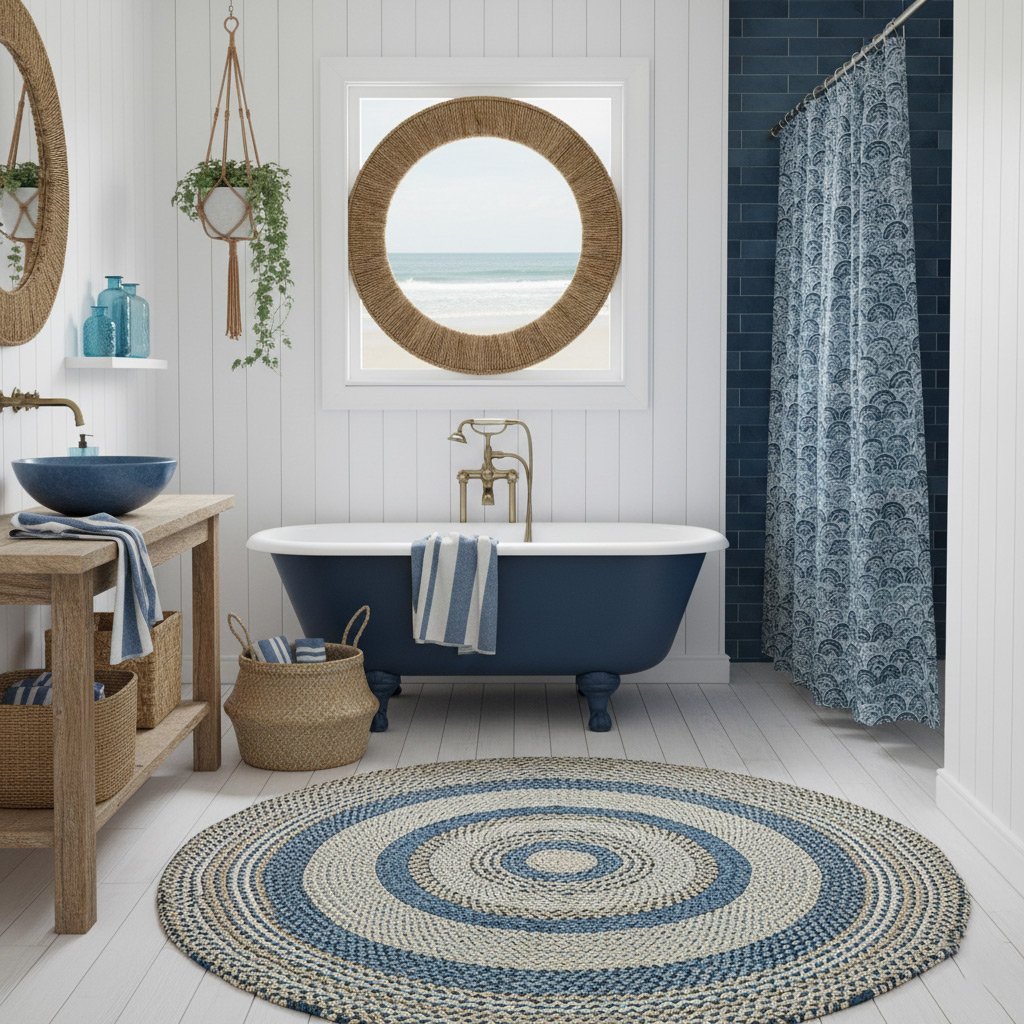
Imagine stepping into a brand‑new tub that looks like it was ripped from a luxury spa, only to discover you’ve just handed the bank a six‑figure bill.
Most homeowners think swapping a shower for a tub is a simple swap‑out, but hidden plumbing reroutes, floor‑level mismatches, and code violations can turn a weekend project into a money‑sucking nightmare.
In Glendale, the desert heat and local building codes add their own twists—think water‑pressure quirks and strict permit requirements that catch even seasoned DIYers off guard.
Ready to sidestep the costly traps and keep your remodel on track? Keep reading and discover the exact steps you need to take.
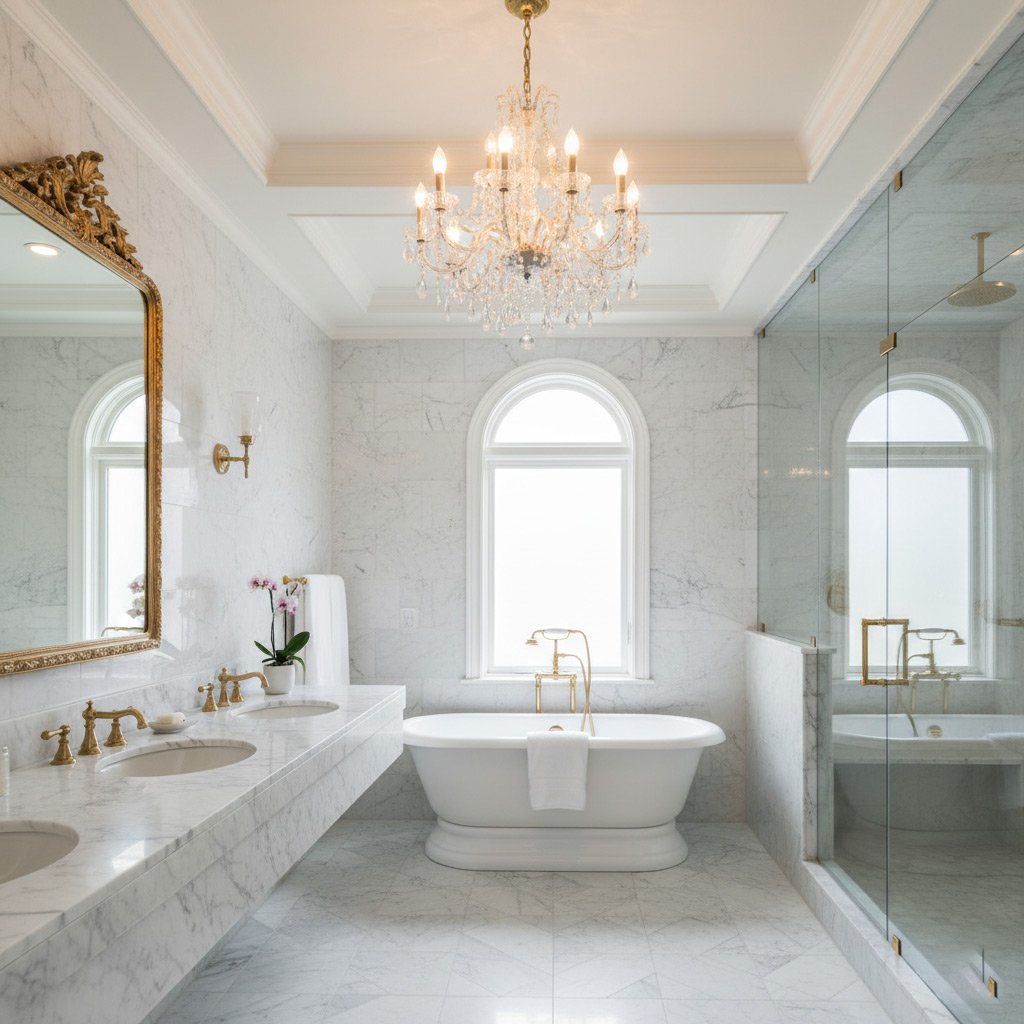
Understanding Glendale Building Codes for Shower‑to‑Tub Conversions
Glendale isn’t just another desert town; it has a rulebook that can turn a simple swap into a legal nightmare. Before you lift a tile, you need to know which codes apply, or you’ll end up with a project that won’t pass inspection. One missed clause can add weeks and thousands of dollars.
Key Glendale Code Requirements
- Minimum floor‑to‑rim height: The tub must sit at least 6 inches above the finished floor to meet safety standards.
- Drain location: A 2‑inch PVC drain must be within 18 inches of the tub’s center, per the City of Glendale Plumbing Code.
- Ventilation: Any conversion that reduces shower space triggers a mandatory exhaust fan upgrade.
- Accessibility: If the home is over 40 years old, the conversion may need to comply with the Arizona Accessibility Standards.
Permits are not optional. You’ll file a Plumbing Permit and a Building Permit with the Glendale Planning Department, then schedule an inspection after the rough‑in stage. Skipping this step means the city can issue a stop‑work order, and you’ll have to undo the work.
Finally, keep a copy of the approved plans on site. Inspectors love to see paperwork that matches the actual work. If the numbers don’t line up, you’ll hear about it before the tub is even installed.
Assessing Existing Plumbing and Calculating Reroute Expenses
Find the hidden pipes before you cut
First, pull back the shower wall to expose the cold‑water supply and the drain line. Mark every pipe—even the ones that look like they belong to the toilet.
Take a quick inventory:
- Supply line material (copper, PEX, or PVC)
- Distance from the main stack to the new tub location
- Existing shut‑off valves and their accessibility
Turn the inventory into a realistic budget
Every foot of pipe you have to move adds labor and material costs. Typical Glendale rates run $8‑$12 per foot for copper, $5‑$8 for PEX, plus a $75‑$150 labor surcharge for each connection.
Don’t forget these add‑ons:
- New shut‑off valve ($45‑$80)
- Pipe insulation for desert‑heat swings ($0.50‑$1 per foot)
- Potential wall opening repair ($200‑$500)
Watch for surprise expenses
Sometimes the drain sits on a concrete slab that needs to be cut and re‑poured. That alone can push the bill another $300‑$600.
And if the existing vent stack isn’t long enough for the new tub, you’ll need a vent extension—another $150‑$250.
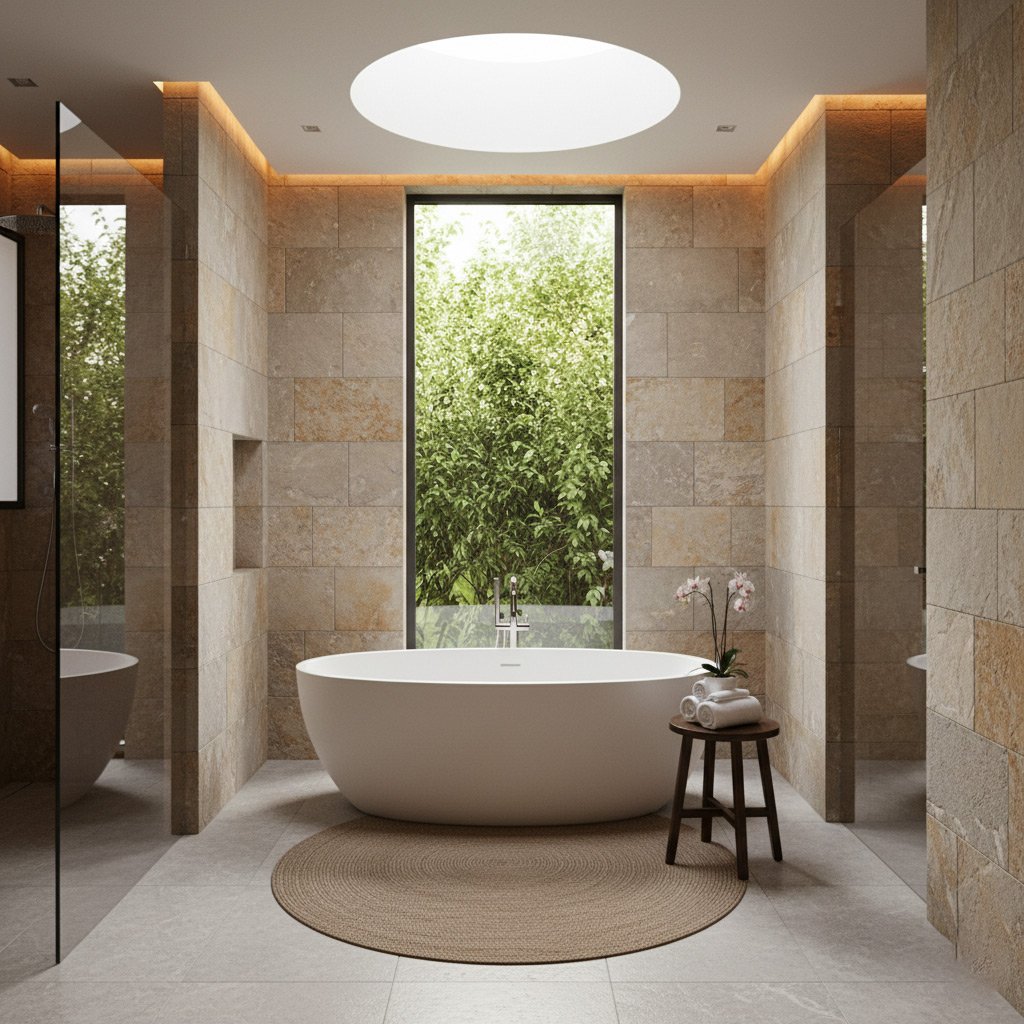
Selecting the Ideal Tub: Size, Style, and Water‑Pressure Compatibility
Size Matters
First, grab a tape and map the exact footprint of your current shower stall. You’ll need at least 2‑inches of clearance on every side for the tub’s flange and a comfortable entry.
Don’t forget the depth—standard tubs run 18‑20 inches, but a deeper soak can eat up floor space fast. Measure twice, buy once to avoid a cramped surprise.
- Length: 60‑72 inches for most families.
- Width: 30‑36 inches for a relaxed stretch.
- Depth: 18‑22 inches depending on your soak preference.
Style Choices
Glendale homes love a blend of desert‑inspired warmth and modern sleekness. Pick a tub that matches your vibe—whether it’s a classic cast‑iron, a lightweight acrylic, or a chic stone‑look composite.
Consider the surrounding fixtures. A freestanding tub becomes a focal point, while an alcove model slides neatly into existing walls. Function meets flair when the tub’s silhouette complements your bathroom’s lines.
- Finish: matte, glossy, or textured.
- Shape: rectangular, oval, or corner.
- Features: built‑in armrests, slip‑resistant coating.
Pressure Check
Glendale’s water pressure can be a rollercoaster—high in the summer, low in the winter. Your tub’s faucet and fill valve must handle those swings without sputtering.
Ask your plumber to test the PSI before you lock in a model. A tub with a high‑flow faucet will fill faster, saving you time and water bills.
- Ideal PSI: 45‑60 for a smooth fill.
- Upgrade: pressure‑boosting valve if you’re below 40 PSI.
- Compatibility: ensure the tub’s drain size matches your existing pipe.
Structural Prep: Floor Level, Reinforcement, and Drain Placement
Check the Floor Level
Before the tub even touches the floor, you must verify that the slab is truly level. Use a long carpenter’s level or a laser level to spot high spots and dips. Even a half‑inch variance can cause water to pool and damage the surrounding tile.
Reinforce the Deck
The weight of a full‑size tub plus water can be a lot for a standard bathroom floor. Add extra joists or a plywood “sister” board to spread the load. Think of it as giving the floor a sturdy foundation, not a flimsy platform.
- Install 2×6 or 2×8 joists spaced 16 inches on center.
- Apply a minimum ½‑inch pressure‑treated plywood over the joists.
- Seal all seams with construction adhesive to prevent movement.
Position the Drain
Drain placement is more than a plumbing issue; it dictates the tub’s footprint. Align the new drain with the existing waste line whenever possible to avoid costly rerouting. If you must move the drain, plan for a minimum 12‑inch offset to keep the slope within code limits.
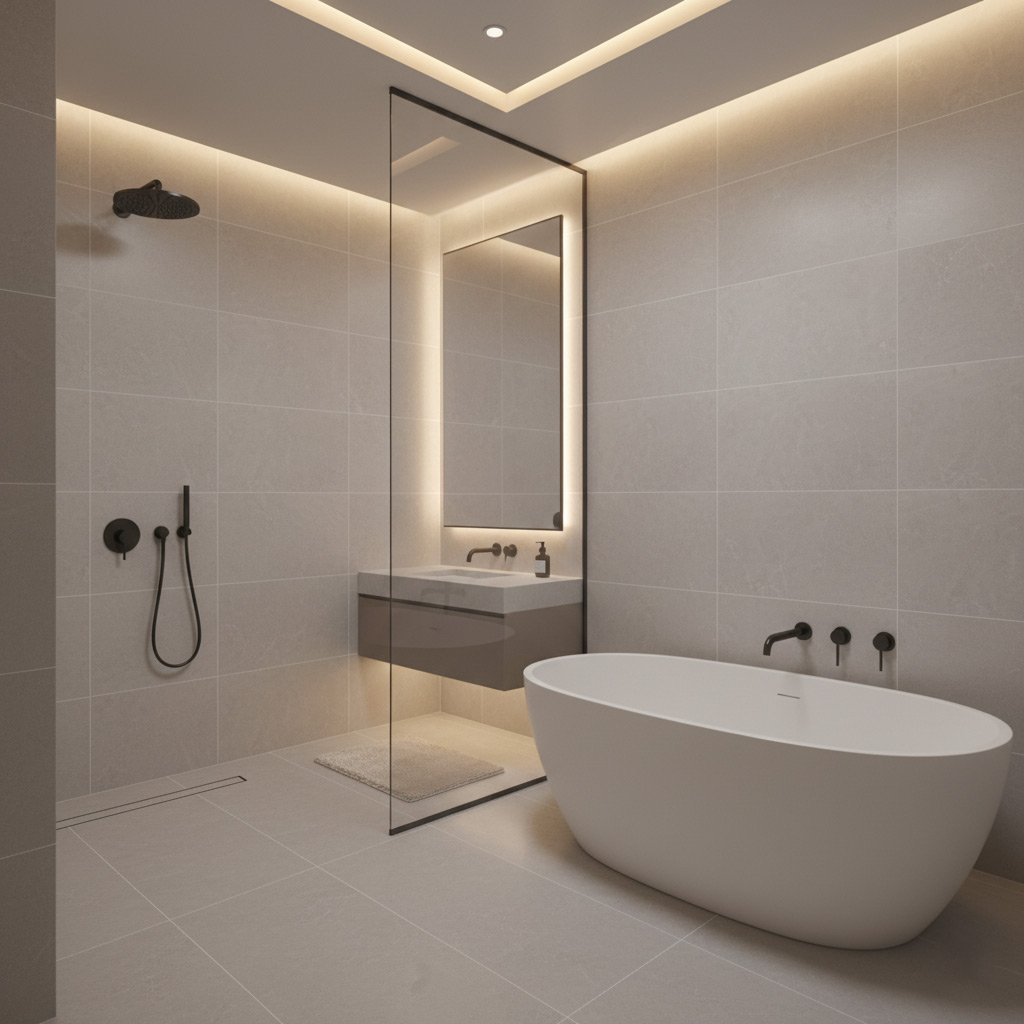
Securing Permits and Passing Inspections in Glendale
Why Permits Matter
Glendale doesn’t mess around with shortcuts. Every shower‑to‑tub swap must be signed off by the city, or you’ll face fines that eat into your budget fast. Think of the permit as your safety net—it protects you from hidden code violations and resale headaches.
Step‑by‑Step Permit Process
Follow this checklist and you’ll keep the city inspector smiling.
- Gather existing plans or create a simple sketch of the new tub layout.
- Visit the Glendale Building Services office or use their online portal to submit a Permit Application.
- Attach a plumbing diagram that shows rerouted lines, drain location, and venting.
- Pay the fee (usually $150‑$300) and schedule a plan review.
- Make any revisions the reviewer asks for, then get the final permit stamped.
Inspection Day Tips
When the inspector shows up, be ready. Have the permit on hand, and point out the work you’ve done before they start.
- Check that the tub sits level and the floor is reinforced where required.
- Verify that all pipe connections are tight and the drain slope meets code.
- Make sure the water‑pressure test passes—no leaks, no drama.
One quick walk‑through with the inspector can turn a potential “redo” into a clean sign‑off. Keep the paperwork tidy, answer questions straight, and you’ll walk out with a stamped approval.
Case Study: A Seamless Shower‑to‑Tub Conversion in a Glendale Residence
The Challenge
When the Martinez family decided to replace their cramped shower with a freestanding tub, they quickly ran into three roadblocks: outdated plumbing, a low‑lying floor, and a permit that seemed impossible to get.
Our crew tackled each obstacle head‑on, starting with a full audit of the existing pipework.
- Old copper lines were corroded and too short for a tub’s higher fill point.
- The concrete slab sat 2 inches below the finished floor, risking water seepage.
- Glendale’s code demanded a minimum 30‑inch clearance from the tub edge to any wall.
The Solution
We rewired the water supply, extending the hot and cold lines with PEX that handled the extra height without a pressure drop.
Next, we built a reinforced sleeper system, raising the floor by 2 inches and installing a new, properly sloped drain.
- All work was inspected and approved before the tub arrived.
- We secured the permit in 48 hours by submitting detailed schematics and a structural engineer’s sign‑off.
Results
The Martinez tub now sits flush with the new floor, delivering a steady stream that feels like a spa retreat.
They saved roughly $7,200 by avoiding a second‑hand contractor and finished the project three weeks ahead of schedule.
- Zero code violations.
- Increased home resale value by an estimated 5 %.
- Family‑wide applause every time they step in.
Final Words
Before you swing that wrench, remember the big picture: a tub isn’t just a fixture, it’s a structural element that talks to your floor, your plumbing, and your city’s code book. Miss one piece and you’ll be back at the contractor’s office with a bill that makes you wish you’d stuck with the shower.
Quick sanity check
- Did you verify the drain location matches the new tub’s footprint?
- Are the permits in hand and the inspection schedule locked?
- Is the floor reinforced enough to handle the extra weight when the tub is filled?
If you answered “yes” to all three, you’re on solid ground. If not, pause. A short call to a local Glendale remodel pro can save you weeks of re‑work and a stack of cash.
Need a trusted partner who knows the Glendale code inside out? Check out our Shower to tub conversions page for a team that handles permits, plumbing, and structural prep in one smooth package.
People Also Ask
What Glendale building codes affect shower‑to‑tub conversions?
Glendale requires compliance with the Arizona Residential Code, which mandates proper venting, minimum ceiling heights, and accessible design standards. You must also meet local plumbing and electrical regulations before starting work.
How much does it cost to reroute plumbing for a tub conversion?
Rerouting costs vary from $800 to $2,500 depending on pipe length, material, and labor complexity. Hidden issues like corroded pipes can increase the price, so a professional inspection is essential.
Which tub size and style work best with existing water pressure?
Choose a tub that matches the existing supply line’s flow rate—typically a standard 60‑inch alcove or freestanding tub. A tub with a lower fill rate prevents pressure drops and reduces the need for additional pump upgrades.
Do I need a permit for a shower‑to‑tub conversion in Glendale?
Yes, Glendale requires a building permit for any structural or plumbing changes. Submit detailed plans, obtain approval, and schedule inspections to avoid fines or forced rework.
What common mistakes cause delays in Glendale tub conversions?
Skipping the permit process, underestimating floor reinforcement needs, and ignoring proper drain placement are the top culprits. Addressing these early saves time and prevents costly revisions.

Glendale Bathroom Remodel specializes in bathroom renovations, drawing on more than a decade of craftsmanship to serve homeowners throughout Glendale, Arizona. Their team blends local knowledge with meticulous attention to detail, delivering spaces that reflect each client’s style and functional needs.
Need Bathroom Remodel?
Transform your bathroom in Glendale and surrounding AZ communities with precision craftsmanship and rapid project completion (85301, 85302, 85303, 85345, 85374). We deliver functional, modern spaces on schedule, minimizing disruption to your home.
Get Bathroom Quote